Published May 12, 2026
Ice-Out 2026: When Minnesota Lakes Actually Thawed
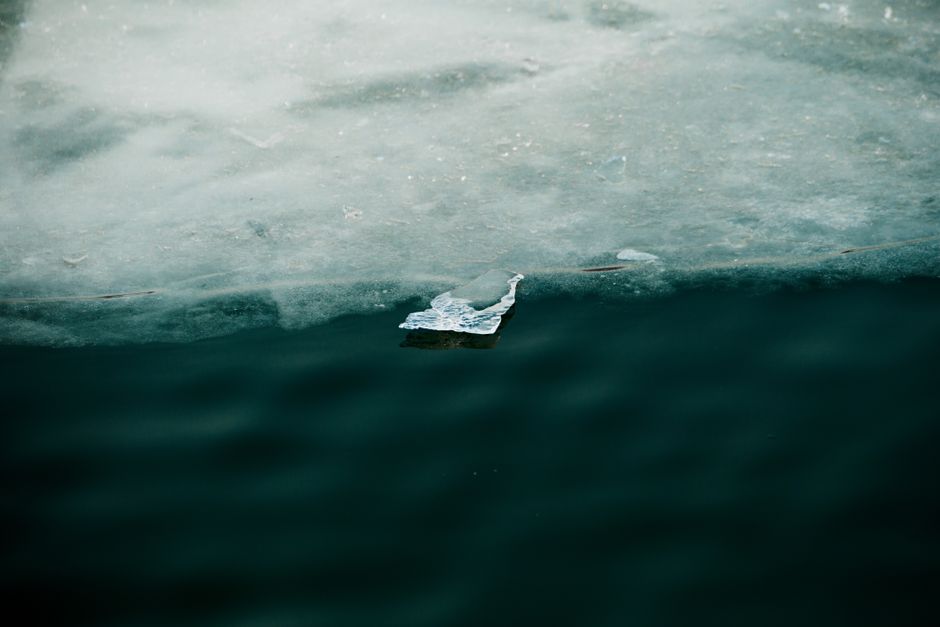
Ice-out is the day a lake’s winter ice cover breaks up and clears. Across the 1,006 Minnesota lakes with DNR ice-out records, this year’s thaw ran roughly on pace with the long-term normals — southern lakes opening in mid-March, the deep north country holding ice into May. Here are the earliest and latest, and what those dates tell you heading into the opener.
What ice-out is, and why the date matters
Ice-out is the point each spring when a lake’s ice cover deteriorates and breaks up enough to leave open water. Minnesota keeps some of the longest continuous ice records in the country: local observers have logged the date on popular lakes for generations, and the Minnesota DNR ice-out program compiles them into a public dataset. That history is why we treat Minnesota as our deepest ice coverage — the median dates below rest on decades of observations, not a single season.
The date is more than a curiosity. Ice-out is a phenological marker — a recurring natural event whose timing tracks climate — so a run of early thaws is one of the clearest local fingerprints of warming springs. It is also practical: Minnesota’s walleye and northern pike fishing opener lands in mid-May, and how far ahead of that weekend a lake clears shapes water temperature, the spring turnover, and where fish are holding. A lake that opens three weeks early fishes very differently from one still shedding ice days before the opener.
The earliest-thawing lakes
The lakes that clear first are shallow and far enough south to catch spring sun early. These carry the earliest median ice-out dates in our Minnesota records — most in the second half of March. The "most recent recorded" column is each lake’s latest observed thaw in the DNR record, shown against its long-term median.
| Lake | County | Median ice-out | Most recent recorded |
|---|---|---|---|
| Crystal Lake | Rice | Mar 16 | Feb 26, 2024 |
| Manor Woods Pond | Olmsted | Mar 18 | Mar 22, 2026 |
| Deans Lake | Scott | Mar 18 | Mar 1, 2024 |
| Pike Lake | Scott | Mar 19 | Mar 7, 2017 |
| Clear Lake | Washington | Mar 20 | Mar 19, 2012 |
| State Line Lake | Freeborn | Mar 20 | Apr 28, 2018 |
| Little Tuttle Lake | Martin | Mar 20 | Mar 9, 2026 |
| Terrapin Lake | Washington | Mar 20 | Mar 19, 2012 |
| Mays Lake | Washington | Mar 20 | Mar 19, 2012 |
| Bright Lake | Martin | Mar 20 | Mar 9, 2026 |
The latest-thawing lakes
Deep, cold, high-latitude lakes hold their ice the longest. The lakes below carry the latest median ice-out dates in our records — some into the second week of May, close enough to the opener that a late spring can pin ice on the water through opening weekend. Depth is the driver: a deep basin stores winter cold and resists the wind-and-sun churn that clears shallow lakes.
| Lake | County | Median ice-out | Most recent recorded |
|---|---|---|---|
| Deer Yard Lake | Cook | May 14 | May 14, 2022 |
| Esther Lake | Cook | May 13 | May 13, 2011 |
| Crescent Lake | Cook | May 12 | May 4, 2026 |
| Kane Lake | Lake | May 9 | May 9, 2023 |
| Holly Lake | Cook | May 8 | May 11, 2023 |
| South Twin Lake | Beltrami | May 8 | May 8, 2022 |
| Greenwood Lake | Cook | May 8 | Apr 27, 2024 |
| Moose Lake | Lake | May 7 | May 3, 2025 |
Recent thaws versus the long-term median
The honest way to read a single year is against the median, not in isolation. Weather swings any one spring by a week or more, so a March thaw on a southern lake or a May thaw up north is normal variation, not a headline. What holds up over decades is the direction: long-term Minnesota ice records — and the broader research summarized by the National Snow and Ice Data Center — show ice-out drifting earlier and the open-water season stretching on many lakes. That is the trend worth watching, and it is why we lean on the median column above rather than any one recorded date.
For a full, sortable view of every Minnesota lake we track — plus the longest open-water seasons — see the ice-out hub. It is built from the same DNR records and updates as new observations land.
How to use this before the opener
If you are planning opening weekend, the median ice-out date is your best pre-trip signal. A lake that clears well ahead of mid-May will have warmer, more turned-over water and more active fish along shorelines and shallows; a late-clearing northern lake may still be cold and stratified, pushing fish to different structure. Pair the timing with each lake’s water quality: every lake in the tables above links to its page for clarity, phosphorus, and grade, and the cleanest-lakes ranking is a fast way to find clear water near your trip. Looking ahead to next winter, see the best ice-fishing lakes.
- Use the median ice-out, not one year, to gauge whether a lake typically opens before your trip.
- Earlier-clearing lakes warm and turn over sooner — expect more active shallow-water fish by the opener.
- Late-clearing deep lakes can stay cold into mid-May; plan for slower, structure-oriented fishing.
- Cross-check the lake’s ice-out record and its readings before you commit.
Frequently Asked Questions
Ice-out is the day a lake’s winter ice cover breaks up and clears enough for open water — the official start of the open-water season. In Minnesota the date is logged by observers and compiled by the DNR, with records on some lakes running back more than a century.
Ice-out sets the clock for spring. Minnesota’s walleye and northern pike opener falls in mid-May, and a lake that clears weeks before the opener warms and turns over sooner, shaping where fish hold and how active they are on opening weekend.
Long-term DNR and research records show ice-out trending earlier and the open-water season lengthening on many Minnesota lakes, consistent with warming spring temperatures. Any single year varies with weather, so the long-term median is the more reliable benchmark than one thaw date.
Shallow lakes in southern Minnesota clear first — the earliest medians in our records fall in mid-to-late March. Deep, far-northern lakes clear last, with medians into early-to-mid May. This edition draws on 1,006 Minnesota lakes with DNR ice-out records.
/methodology
Related Articles
Get seasonal lake updates by email
Ice-out, fishing-opener conditions, and summer swim reports as we publish. No spam, unsubscribe anytime.