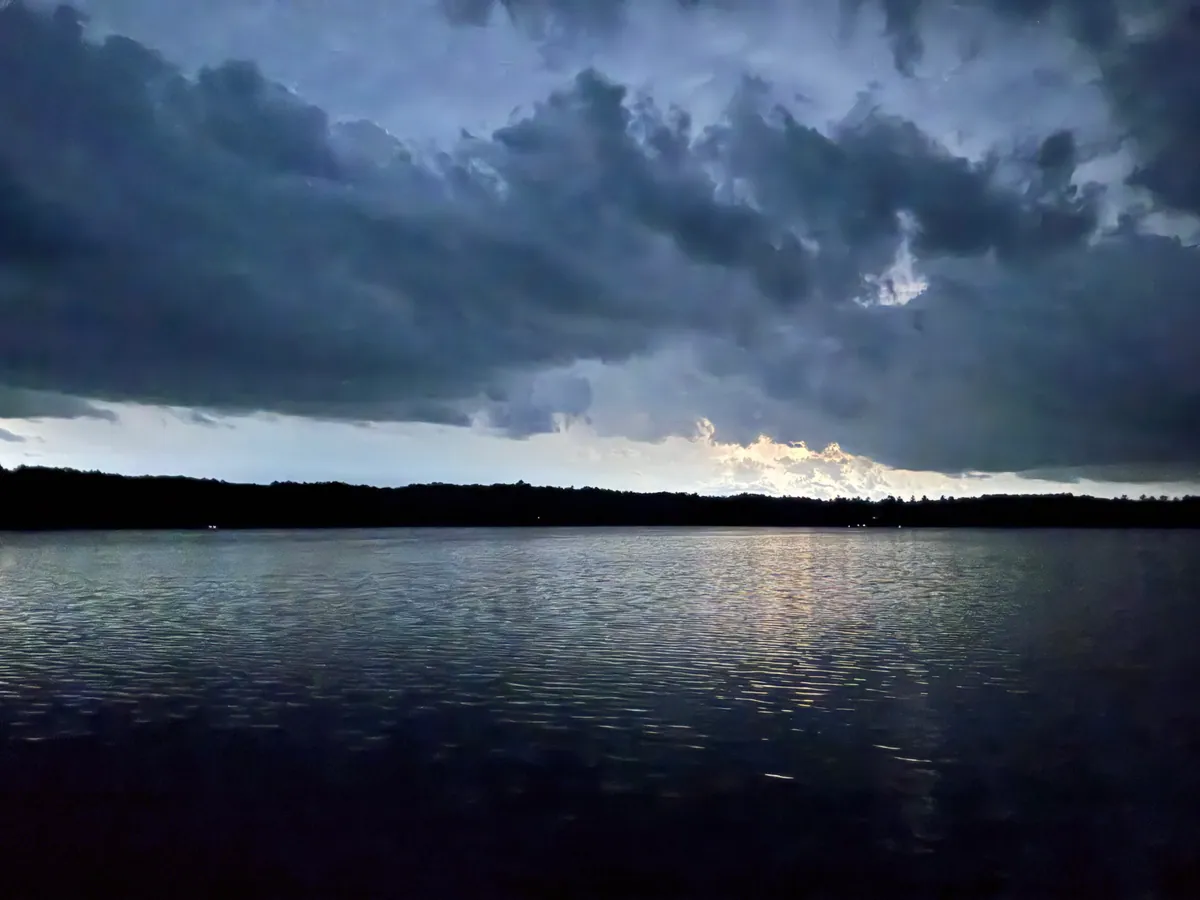
Blue-Green Algae in U.S. Lakes
Blue-green algae (cyanobacteria) blooms are a growing problem in lakes nationwide. These blooms can produce toxins harmful to humans, pets, and wildlife. Understanding which lakes are at risk and how to identify dangerous blooms is essential for safe recreation.
What Is Blue-Green Algae?
Despite their name, blue-green algae are actually bacteria (cyanobacteria) that photosynthesize like plants. They are naturally present in most lakes at low levels. When conditions are right, warm water, calm winds, and excess nutrients, they can multiply rapidly into visible blooms.
Not all blooms produce toxins, but there is no way to tell by looking. The only safe assumption is to treat all visible blue-green algae blooms as potentially toxic.
What Drives Algae Blooms
- Phosphorus, the primary fuel. Lakes with phosphorus above 30 µg/L are at elevated risk. Above 60 µg/L is high risk.
- Warm temperatures, blooms peak in July and August when surface water exceeds 75°F.
- Calm winds, still water allows cyanobacteria to float to the surface and concentrate.
- Shallow lakes, warm faster and mix nutrients more readily than deep lakes.
How to Use LakeQuality Data
Three metrics on LakeQuality help assess algae risk:
- Chlorophyll-a, directly measures algae. Below 5 µg/L is minimal risk. Above 20 µg/L is high risk.
- Phosphorus, predicts future blooms. High phosphorus means the nutrients are there even if algae is not visible today.
- Trophic State Index (TSI), lakes classified as eutrophic (TSI 50-70) or hypereutrophic (TSI > 70) are bloom-prone.
Checking a Lake Before You Go
Open the lake's page and read its chlorophyll-a and phosphorus beside the EPA condition class for its region, then its trophic state. Where the state has posted a current bloom advisory, the algae advisory tracker shows it, and the current conditions page carries satellite bloom readings where they exist. None of those is a same-day clearance; the state health or environmental agency and the county health department make that call.
Warning Signs at the Lake
- Water that looks like spilled green paint
- Thick green or blue-green scum floating on the surface
- Bright green streaks or dots in the water
- Strong musty, earthy, or sewage-like odor from the water
- Dead fish along the shoreline
- Posted health advisories or beach closures
What to Do If Exposed
- Rinse off immediately with clean water
- Do not rub your eyes after contact
- Seek medical attention if you develop symptoms (rash, nausea, breathing difficulty)
- For pets: prevent them from licking their fur, rinse immediately, contact a veterinarian if symptoms appear, see our blue-green algae and dogs guide
- Report the bloom to Minnesota PCA or Wisconsin DNR
Frequently Asked Questions
What causes blue-green algae in lakes?
Blue-green algae (cyanobacteria) thrives when phosphorus and nitrogen levels are high, water is warm, and there is little wind. Agricultural runoff, lawn fertilizers, and failing septic systems are the primary sources of excess nutrients. Shallow, warm lakes are most vulnerable.
Can you get sick from blue-green algae?
Yes. Some blue-green algae produce toxins (microcystins, cylindrospermopsin, anatoxin-a) that can cause skin rashes, nausea, vomiting, diarrhea, and in severe cases liver damage. Children, elderly people, and pets are most at risk. Dogs are especially vulnerable because they drink lake water.
How do I know if a lake has blue-green algae?
Look for water that resembles green paint or pea soup, floating green or blue-green scum on the surface, or a strong musty odor. On LakeQuality, a chlorophyll-a reading above 20 µg/L means elevated algae. A Trophic State Index (TSI) above 60 indicates eutrophic conditions prone to blooms. Your state health or environmental agency posts the current bloom advisories.
What should I do if I see blue-green algae?
Do not swim, wade, water-ski, or let pets enter the water. Do not drink or cook with the water. If you or your pet have been exposed, rinse off immediately with clean water. Report blooms to your state pollution control agency or DNR.
Get algae updates by email
New chlorophyll-a readings and bloom advisories as samples come in. Unsubscribe anytime.