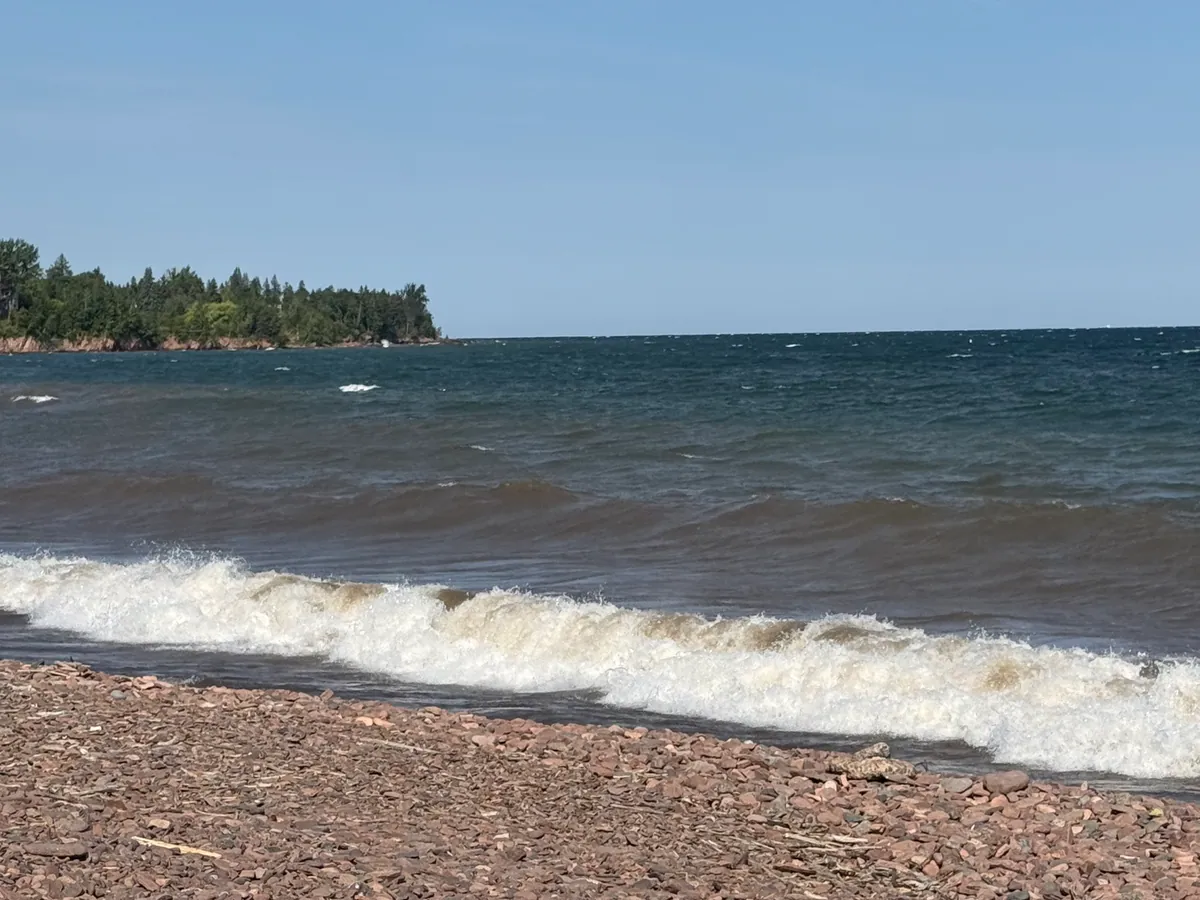
Best Swimming Lakes in Minnesota
Not all lakes are created equal when it comes to swimming. Water quality varies dramatically, some lakes have crystal clear water with visibility exceeding 20 feet, while others are so murky you cannot see your hand below the surface. Here is how to use the agency readings to find the best swimming lakes. No reading is a swimming clearance; the state water agency and the county health department post the day's advisories.
Looking for the best swimming lakes in a specific state? Jump straight to a state ranking of low-algae lakes: Minnesota · Wisconsin · Illinois · Michigan · Iowa · Ohio · Pennsylvania · New York · Missouri · Indiana · North Dakota · South Dakota · Florida · Colorado · North Carolina · Vermont · Texas · Oregon · Arkansas · Oklahoma · Kansas · Nebraska · Nevada · Arizona · Idaho · Montana · New Mexico · Tennessee · Alabama · Virginia · Kentucky · Utah · Washington · Wyoming · Georgia · Massachusetts · Ontario · Québec · Nova Scotia · British Columbia · Newfoundland and Labrador
How to Read the Water for Swimming
Every US lake page shows three readings that matter for a swim, each nutrient and algae reading beside the EPA condition class for the lake's ecoregion. Use all three when you pick a swimming lake:
- Water Clarity (Secchi Depth), measured in feet. Higher is better. You want at least 4-5 feet of visibility to see underwater hazards. Readings over 15 feet are exceptionally clear. Clarity carries no EPA class.
- Phosphorus, the nutrient that feeds algae. Lower is better. High phosphorus means more algae blooms, which can produce toxins harmful to humans and pets. Phosphorus is read against that lake's ecoregion, not a single national cutoff.
- Chlorophyll-a, directly measures algae in the water. Low single-digit µg/L usually means minimal algae. Above 20 µg/L means visible algae that may include harmful blue-green varieties.
What the Readings Say About a Swim
| Reading | What it means for swimming |
|---|---|
| Clarity over 15 ft | Crystal clear, bottom visible in the shallows, hazards easy to see |
| Clarity 4 to 15 ft | Clear enough to see your feet and underwater hazards |
| Clarity under 3 ft | Murky, hazards hidden, often algae or stirred sediment |
| Phosphorus Good for its region | Low nutrient supply, blooms uncommon |
| Phosphorus over 40 µg/L | Nutrient-rich, nuisance blooms common in late summer; check the county advisory before swimming |
| Chlorophyll-a under 5 µg/L | Minimal algae |
| Chlorophyll-a over 20 µg/L | Visible algae; skip the water if you see scum or a paint-like bloom |
Top 25 Lakes for Swimming
These lakes have the lowest nutrient and algae readings for their regions, ranked on the agency measurements:
| Rank | Lake | County | State | Clarity | Phosphorus | Chlorophyll-a |
|---|---|---|---|---|---|---|
| 1 | Rainy Lake | Cass | MN | 13.9 ft | 11.5 µg/L | 1.8 µg/L |
| 2 | Crane Lake | Otter Tail | MN | 9 ft | 15 µg/L | 6.4 µg/L |
| 3 | Lobster Lake | Douglas | MN | 13 ft | 20.5 µg/L | 3.6 µg/L |
| 4 | East Fox Lake | Crow Wing | MN | 16.4 ft | 10 µg/L | 2.7 µg/L |
| 5 | Deep Portage Lake | Cass | MN | 15.4 ft | 9 µg/L | 1.6 µg/L |
| 6 | Clearwater Lake | Cook | MN | 29 ft | 4 µg/L | 1.3 µg/L |
| 7 | Clearwater Lake | Wright | MN | 9.8 ft | 22 µg/L | 6.3 µg/L |
| 8 | Clearwater Lake | Crow Wing | MN | 13 ft | 12 µg/L | 3.7 µg/L |
| 9 | Clearwater Lake | Clearwater | MN | 10 ft | 16 µg/L | 3.2 µg/L |
| 10 | Lower Hay Lake | Crow Wing | MN | 18.5 ft | 13 µg/L | 2.7 µg/L |
| 11 | Latoka Lake | Douglas | MN | 19 ft | 11 µg/L | 2.2 µg/L |
| 12 | Little Birch Lake | Todd | MN | 13 ft | 19 µg/L | 3.1 µg/L |
| 13 | North Long Lake | Crow Wing | MN | 15.1 ft | 14 µg/L | 2.7 µg/L |
| 14 | Bad Medicine Lake | Becker | MN | 25 ft | 6 µg/L | 1.6 µg/L |
| 15 | Mud Lake | Becker | MN | 12.5 ft | 22 µg/L | 5.9 µg/L |
| 16 | Big Lake | Beltrami | MN | 9.7 ft | 15 µg/L | 4.8 µg/L |
| 17 | Big Lake | Carlton | MN | 10 ft | 13.5 µg/L | 3.2 µg/L |
| 18 | Big Lake | Sherburne | MN | 13.6 ft | 10.5 µg/L | 6.1 µg/L |
| 19 | Big Lake | St. Louis | MN | 8.2 ft | 14 µg/L | 4.9 µg/L |
| 20 | Big Sugar Bush Lake | Becker | MN | 16.5 ft | 10 µg/L | 2.7 µg/L |
| 21 | Pelican Lake | Otter Tail | MN | 16.4 ft | 15 µg/L | 3 µg/L |
| 22 | Pelican Lake | Crow Wing | MN | 14.3 ft | 11 µg/L | 2.7 µg/L |
| 23 | Fullers Lake | Beltrami | MN | 15 ft | 10 µg/L | 2.4 µg/L |
| 24 | Birch Lake | Ramsey | MN | 5.9 ft | 21 µg/L | 3.3 µg/L |
| 25 | Birch Lake | Wright | MN | 15 ft | 17 µg/L | 4 µg/L |
Blue-Green Algae Warning Signs
Even if a lake has clear, low-nutrient readings on record, blue-green algae blooms can appear quickly during hot summer weather. Watch for these warning signs before entering the water:
- Water that looks like green paint or pea soup
- Floating green or blue-green mats on the surface
- A strong musty or earthy odor from the water
- Dead fish along the shoreline
- Signs posted by local health departments
If you see any of these signs, do not swim, wade, or let pets drink from the lake. Blue-green algae(cyanobacteria) can produce toxins that cause skin rashes, nausea, and in severe cases, liver damage.
Frequently Asked Questions
Is it safe to swim in Minnesota lakes?
Whether a given Minnesota lake is safe to swim in today is answered by the Minnesota PCA, the DNR and the county health department, who post beach closures and algae advisories. The readings on this site show what past sampling found; no reading is a swimming clearance.
How do I know if a lake has harmful algae?
Blue-green algae (cyanobacteria) blooms look like green paint, pea soup, or floating mats on the water surface. A high chlorophyll-a reading (above 20 µg/L) indicates significant algae. Where a lake’s chlorophyll-a reads Poor for its ecoregion, expect visible algae in late summer and check the county advisory before swimming.
What Secchi depth is comfortable for swimming?
A Secchi depth of 4 feet or more generally indicates water clear enough to see underwater hazards. Readings over 15 feet are exceptionally clear. Murky water with less than 3 feet of visibility hides hazards. Those bands describe visibility; they carry no EPA condition class, and they are not a same-day clearance.
Are Wisconsin lakes safe to swim in?
Many Wisconsin lakes offer excellent swimming. The clearest lakes in Wisconsin have visibility exceeding 10-15 feet. Check each lake’s readings on LakeQuality; clear, low-nutrient lakes are the ones to start with. Whether a lake is safe to swim in today is a call for the Wisconsin DNR and the county health department.
Which states does this swimming ranking cover?
The ranking spans every state LakeQuality covers, currently 41 states: Minnesota, Wisconsin, Illinois, Michigan, Iowa, Ohio, Pennsylvania, New York, Missouri, Indiana, North Dakota, South Dakota, Florida, Colorado, North Carolina, Vermont, Texas, Oregon, Arkansas, Oklahoma, Kansas, Nebraska, Nevada, Arizona, Idaho, Montana, New Mexico, Tennessee, Alabama, Virginia, Kentucky, Utah, Washington, Wyoming, Georgia, Massachusetts, Ontario, Québec, Nova Scotia, British Columbia, and Newfoundland and Labrador. Any lake in those states with favourable nutrient and algae readings can appear in the top 25.
Get swimming-lake updates by email
New clarity and algae readings as samples come in. Unsubscribe anytime.