Published July 1, 2026
Summer 2026: The Cleanest Lakes to Swim Right Now
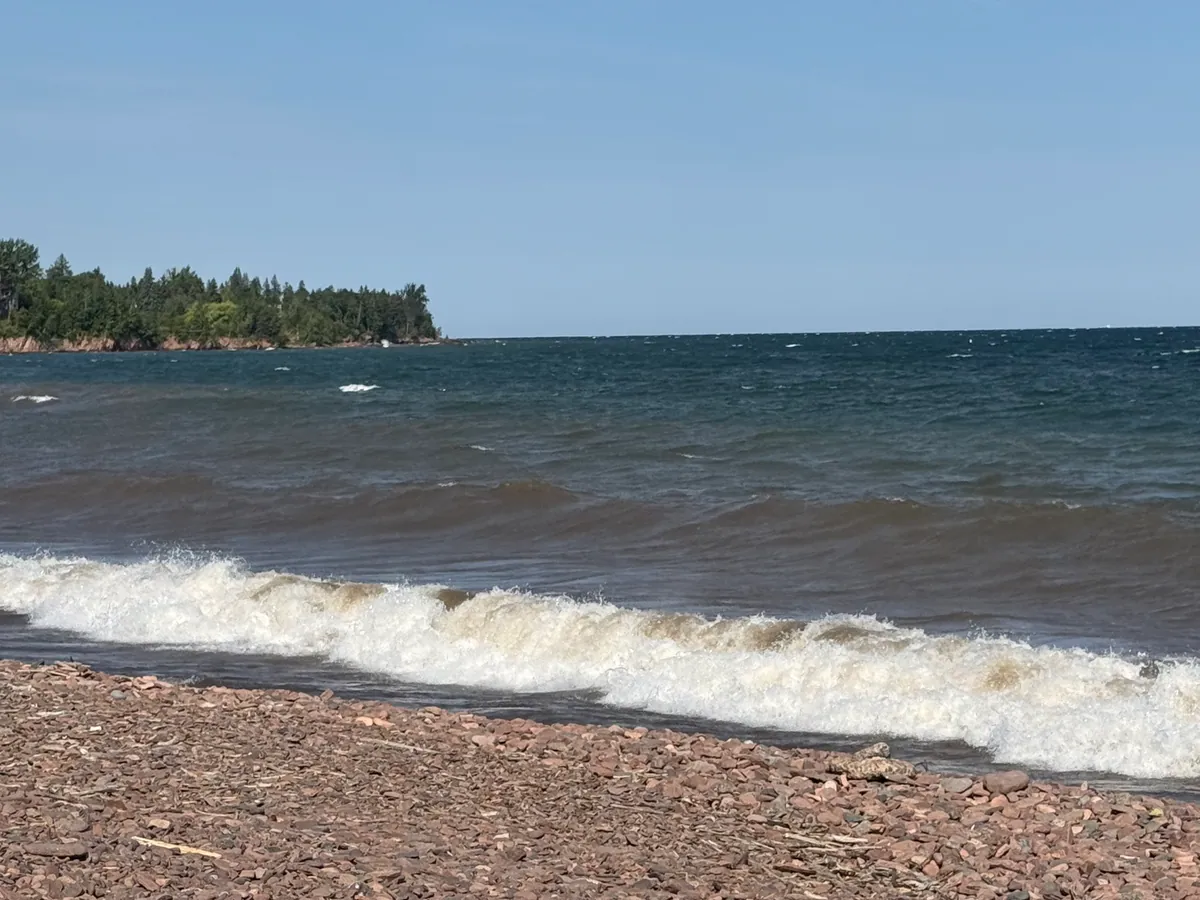
The cleanest lakes to swim in this summer are the ones that combine high water clarity with low algae. Out of 38,731 lakes across the states we cover, the 12 below earn the highest water-quality readings on EPA data. Readings reflect long-term quality — so we also cover what to check the day you go.
The cleanest lakes to swim this summer
These lakes carry the highest overall water-quality readings in our dataset, driven by low nutrients and low algae. Clarity is shown as Secchi depth in feet — the distance a standard disk stays visible underwater — because that is what a swimmer sees. The condition class does not cover Secchi.
| Rank | Lake | State | Clarity (ft) | Swim outlook |
|---|---|---|---|---|
| 1 | Sunset Lake | VT | 36.1 | A water-quality reading is not a swimming clearance. The state water agency and county health departments post current advisories; check them before you swim. |
| 2 | Flaming Gorge Reservoir | UT | 31.8 | A water-quality reading is not a swimming clearance. The state water agency and county health departments post current advisories; check them before you swim. |
| 3 | Caspian Lake | VT | 29.5 | A water-quality reading is not a swimming clearance. The state water agency and county health departments post current advisories; check them before you swim. |
| 4 | Clearwater Lake | MN | 29 | A water-quality reading is not a swimming clearance. The state water agency and county health departments post current advisories; check them before you swim. |
| 5 | Shadow Lake | VT | 28.9 | A water-quality reading is not a swimming clearance. The state water agency and county health departments post current advisories; check them before you swim. |
| 6 | Maidstone Lake | VT | 28.5 | A water-quality reading is not a swimming clearance. The state water agency and county health departments post current advisories; check them before you swim. |
| 7 | Lake Willoughby | VT | 28.2 | A water-quality reading is not a swimming clearance. The state water agency and county health departments post current advisories; check them before you swim. |
| 8 | Holland Lake | MN | 27.9 | A water-quality reading is not a swimming clearance. The state water agency and county health departments post current advisories; check them before you swim. |
| 9 | Kerbs Lake | MN | 27.7 | A water-quality reading is not a swimming clearance. The state water agency and county health departments post current advisories; check them before you swim. |
| 10 | Little Mcdonald Lake | MN | 26.5 | A water-quality reading is not a swimming clearance. The state water agency and county health departments post current advisories; check them before you swim. |
| 11 | Lake Elligo | VT | 26.2 | A water-quality reading is not a swimming clearance. The state water agency and county health departments post current advisories; check them before you swim. |
| 12 | Coles Run Reservoir | VA | 25.8 | A water-quality reading is not a swimming clearance. The state water agency and county health departments post current advisories; check them before you swim. |
Leading the list is Sunset Lake, with clarity around 36.1 feet — the kind of water where you can often see the bottom well past wading depth. For the full, always-current list, see the best swimming lakes and the cleanest-lakes ranking.
What makes these lakes swim-friendly
A swim-friendly lake is one with clear water and little algae, and those two traits come from the same underlying chemistry. High clarity means light penetrates deep and little sediment or algae is suspended in the water column. Low phosphorus keeps algae from having the fuel to bloom, and low chlorophyll-a confirms that algae is genuinely scarce rather than merely dormant. The top-measured lakes tend to be deeper, with forested or protected watersheds that limit nutrient runoff — the physical reasons behind the readings. For the full picture of how clarity and nutrients translate to swimming comfort, see the swimming-safety guide and our explainer on Secchi depth.
- Clarity (Secchi depth): more visibility means less suspended algae and sediment — the top lakes here stay visible well past head height.
- Low phosphorus: starves algae of the nutrient it needs to bloom, keeping water clear through the warm months.
- Low chlorophyll-a: a direct measure confirming algae is minimal, not just out of sight.
The day-of caveat
A reading is a long-term median, not a forecast for the afternoon you show up. Even a lake with low readings can develop a short-lived cyanobacteria (blue-green algae) bloom during a hot, calm stretch, or a bacteria spike in the day or two after heavy rain washes runoff into the water. That is why the long-term readings and the day-of check are two different things — and you need both. Before you get in, scan the water and check current advisories:
- Look for surface scum, streaks that resemble spilled paint, or water the color of pea soup — all signs of a possible harmful algae bloom. When in doubt, stay out.
- Skip swimming for a day or two after heavy rain, when runoff temporarily raises bacteria and nutrient levels.
- Check the algae advisories page and your state health department’s beach monitoring before heading to a specific lake.
- Read our guide on E. coli and swim advisories for how bacteria advisories work and what they mean.
Water-quality science on cyanobacteria and recreational risk is summarized well by the CDC’s harmful algal bloom resources and the EPA’s CyanoHABs program — worth a read if you swim, boat, or bring a dog to the water.
Frequently Asked Questions
The cleanest lakes here sit in EPA’s Good condition class for that ecoregion — low phosphorus and chlorophyll-a relative to least-disturbed reference lakes nearby. High Secchi clarity often comes with that, which is what makes the water comfortable, but clarity is reported, not scored. A letter is still not a day-of swim clearance.
No. The readings reflect long-term water quality, not the conditions on any given day. A healthy lake can still develop a temporary algae bloom or a post-rain bacteria spike. Always scan for green scum or discolored water and check your state health department’s current beach advisories before you get in.
Readings come from EPA Water Quality Portal samples, compared with National Lakes Assessment ecoregion condition classes for phosphorus, nitrogen, chlorophyll-a, and turbidity. The cleanest lakes here sit in EPA’s Good condition class for nutrients and algae, with chlorophyll-a at or below EPA’s national mesotrophic ceiling; a C is mixed, not Poor. Full detail is on the methodology page. The letter is not a bacteria test.
Look at the water itself — avoid anything that looks like spilled paint, pea soup, or a green surface scum. Skip swimming for a day or two after heavy rain, and check current algae and beach advisories for your lake. When in doubt, stay out.
/methodology
Related Articles
Get summer swim and water-quality guides by email
Cleanest-lake roundups, algae advisories, and safety guides as we publish. No spam, unsubscribe anytime.