Eating Your Catch: The Mercury Paradox
82lakes on the mercury advisory
Why pristine water still carries mercury
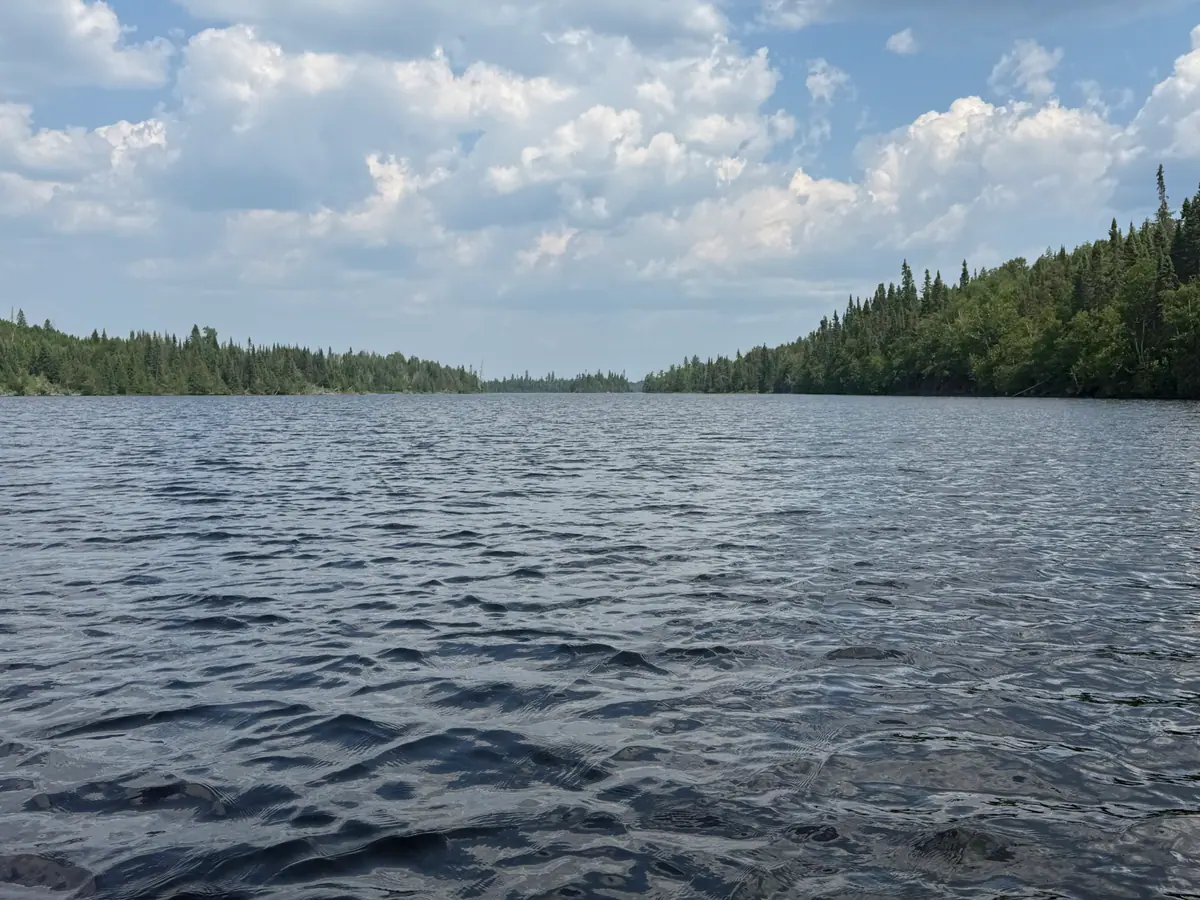
It seems like a contradiction: the cleanest lakes in the Lower 48, with a fish-consumption advisory. But mercury has nothing to do with how clear or nutrient-poor a lake is. It arrives from the atmosphere — largely from coal combustion — settles onto the water, and bacteria convert it into methylmercury. That form climbs the food chain, concentrating in the oldest, largest predator fish. A remote wilderness lake with no development on its shore can still grow a high-mercury walleye, because the mercury fell from the sky, not from the shoreline.
The Arrowhead is a more-protective zone
All three Boundary Waters counties — Cook, Lake, and St. Louis — sit in the Minnesota Department of Health's northeastern protective zone, where background mercury runs higher. That means the size cutoffs for reducing how often you eat a species are set lower here than in much of the state. When in doubt, follow the stricter guidance.
General guidance by species
Typical Minnesota Department of Health meal-frequency guidance for a Boundary Waters lake (example based on Burntside Lake). Each lake can differ — check that lake's page and the MDH advisory.
| Species | General population | Pregnant / under 15 |
|---|---|---|
| Panfish (bluegill, perch, bullhead, crappie) | 2 servings per week | 1 serving per week |
| Mid-mercury species (Smallmouth Bass, other bass) | 1 serving per week | 1 serving per month |
| Walleye & Northern Pike | 1 serving per week | 1 serving per week (under 18″ walleye, under 26″ pike); 1 serving per month (18″ walleye and over, 26″ pike and over) |
| Yellow Perch | 1 serving per month | 1 serving per month |
Guidance derived from Minnesota Department of Health safe-eating categories. Always confirm current advice for your lake and species.
Per-lake fish-consumption guides
Keep exploring
Frequently Asked Questions
That is a call for the Minnesota Department of Health, which publishes meal-frequency guidance for every Boundary Waters lake. Its guidance is to eat them in moderation: the nutrient and algae readings on these lakes are among the lowest in the state, but the fish carry mercury like nearly all Minnesota fish, and MDH sets limits especially for larger predator fish and for people who are pregnant or under 15.
Mercury doesn't come from the lake being dirty — it falls from the air (largely from coal combustion), then bacteria convert it to methylmercury that builds up the food chain. A crystal-clear oligotrophic lake can still grow high-mercury predator fish. Clarity and mercury are unrelated.
The big predators: larger walleye, northern pike, muskellunge, and large lake trout concentrate the most mercury because they eat other fish for years. Panfish — sunfish, crappie, yellow perch — sit lower in the food chain and carry the least mercury, which is why MDH guidance allows them most often.
Somewhat. All three Boundary Waters counties (Cook, Lake, and St. Louis) fall in the Minnesota Department of Health's more-protective northeastern zone, where background mercury is higher, so length cutoffs are set lower than the statewide guidance.
Advisory framework: Minnesota Department of Health. Impairment status: EPA ATTAINS 303(d). This page is informational and not a substitute for the official advisory.