Published May 15, 2026
Fishing Opener 2026: What the Water Data Shows
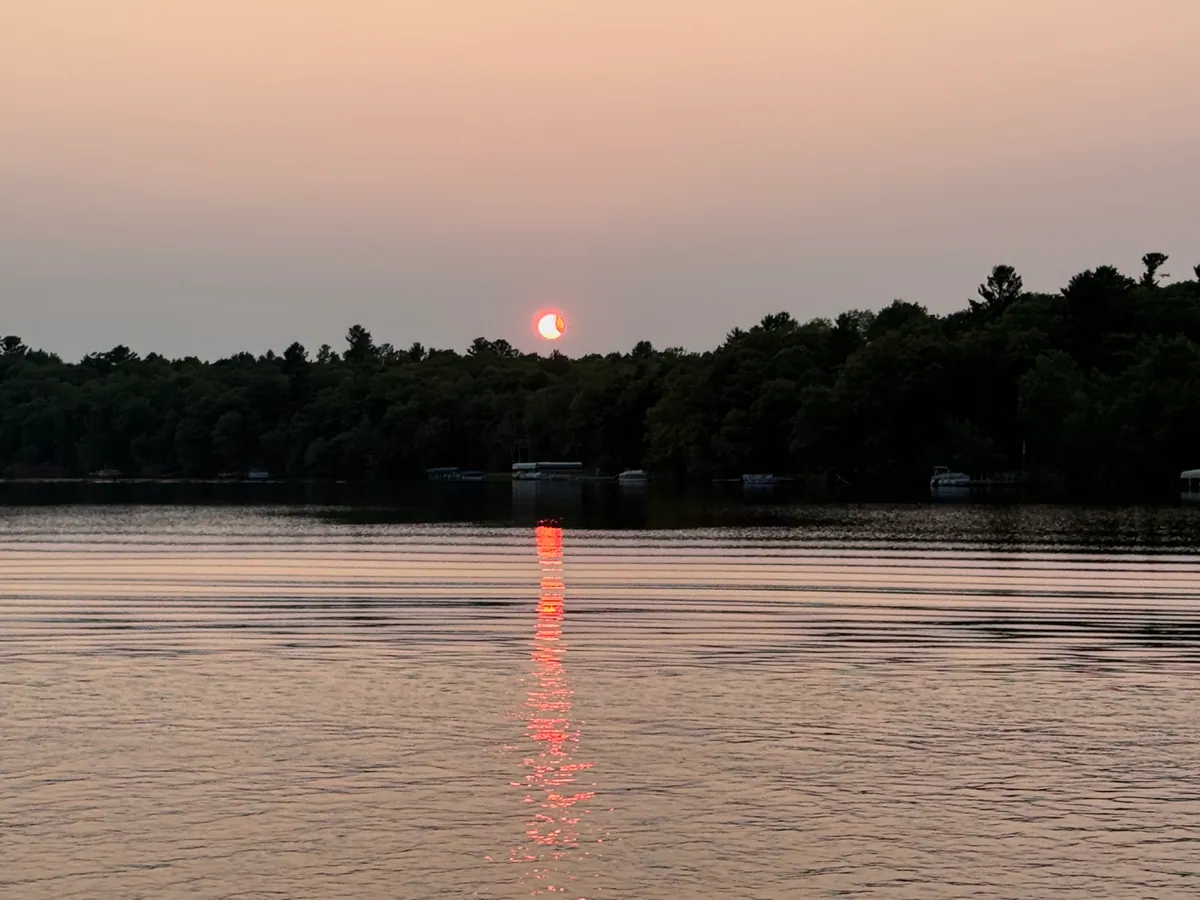
Heading into the 2026 fishing opener, water temperature and level readings from USGS gauges are the clearest read on early-season conditions. Temperature drives spawning and feeding, level hints at access and current, and clarity tells you how fish are likely holding. Below is the latest gauge snapshot in our database, captured July 6, 2026 — a dated reading, not a live feed.
Why opener water conditions matter
Water temperature is the single most useful number heading into the opener because it governs fish behavior. Spring spawning runs on temperature: as shallows warm through the 40s and into the 50s and 60s °F, walleye, pike, crappie, and bass move, spawn, and feed on a temperature-driven schedule. A lake sitting in the low 50s is often still pre- or mid-spawn with fish shallow and catchable; a lake already in the mid-60s may have fish transitioning to post-spawn patterns. Level matters too — it signals access at ramps, current at inlets and outlets, and whether a lake is high and stained from spring runoff.
The readings below come from USGS NWIS, the federal network of stream and lake gauges. Only a small share of lakes carry a gauge, so this is a sample of well-instrumented waters across the states we cover, ordered so lakes with a temperature reading come first.
The latest gauge snapshot
These are the most recent USGS readings in our database — a dated snapshot, captured July 6, 2026, never a live "right now" value. Water temperature and level move with weather and time of day, so treat these as a planning baseline and confirm the current reading on the linked USGS page before you launch.
| Lake | State | Water temp | Level |
|---|---|---|---|
| West Okoboji Lake | IA | 49°F | 4.63 ft (gage) |
| Lake Taneycomo | MO | 50°F | 702.08 ft (elev) |
| Lake Monona | WI | 78°F | 845.04 ft (elev) |
| Long Lake | IL | 83°F | — |
| Lake Gogebic | MI | 79°F | 1295.53 ft (elev) |
| Mud Lake | MN | — | 972.78 ft (elev) |
| Leech Lake | MN | — | 94.71 ft (gage) |
| Green Lake | WI | — | 6.68 ft (gage) |
| Geneva Lake | WI | — | 864.13 ft (elev) |
| Houghton Lake | MI | — | 1138.41 ft (elev) |
| Pleasant Lake | WI | — | 980.67 ft (elev) |
| Lake Waubesa | WI | — | 844.72 ft (elev) |
"Gage" height is the water surface measured against a local reference point on the gauge; "elev" is the reservoir or lake surface elevation above sea level. Both are useful for spotting whether a lake is running high or low relative to normal, which affects ramps, docks, and shoreline access.
What clarity adds to the picture
Temperature tells you when fish are active; clarity tells you how they hunt and where they hold. In clear water, fish lean on sight and often sit deeper or tight to cover during bright hours; in stained or turbid water, they move shallower and key on contrast, vibration, and low light. Clarity is also a durable water-quality signal — it tracks how much algae and suspended sediment a lake carries. The clearest-lakes ranking is the fastest way to find the cleanest, most sight-fishable water among the lakes we measure.
How to plan around the opener
Layer the data from durable to real-time. Start with each lake’s long-term water-quality readings to shortlist healthy waters, then use a recent gauge snapshot for temperature and level, and finally confirm the live reading on the USGS page the day you fish. The conditions hub gathers every gauged lake we track, and the best-times guide helps you line up the trip.
- Shortlist by the readings first. A healthy lake fishes better all season — start with clean water, then refine on conditions.
- Read temperature for timing. Low-50s water often means fish are still shallow and catchable; mid-60s means post-spawn patterns.
- Check level for access. High, stained water after runoff changes ramps, current, and clarity.
- Confirm live before you launch. The snapshot is a baseline; the USGS gauge page has the current value.
Frequently Asked Questions
Water temperature leads. It drives spring spawning and how actively fish feed, so a lake sitting in the low 50s °F fishes very differently from one already in the 60s. Water level and clarity round out the picture — clearer water and stable levels generally make for more predictable early-season fishing.
No. These are the most recent readings from USGS NWIS gauges in our database — a dated snapshot captured July 6, 2026, not a live feed. Conditions change hour to hour with weather; use each gauge’s live USGS page for the current value before you launch.
Clarity shapes how fish hunt and where they hold. In clear lakes, fish rely on sight and often sit deeper or near cover; in stained or murky water they move shallower and key on vibration and contrast. Clarity is also a water-quality signal — our clearest-lakes ranking is a good starting point for finding clean, fishable water.
Start with the long-term water-quality readings to shortlist healthy lakes, then check the latest gauge snapshot for temperature and level, and finally confirm live conditions on the USGS page the day you go. Our conditions hub and best-times guide pull these together.
/methodology
Related Articles
Get seasonal lake updates by email
Fishing-opener conditions, ice-out, and summer swim reports as we publish. No spam, unsubscribe anytime.