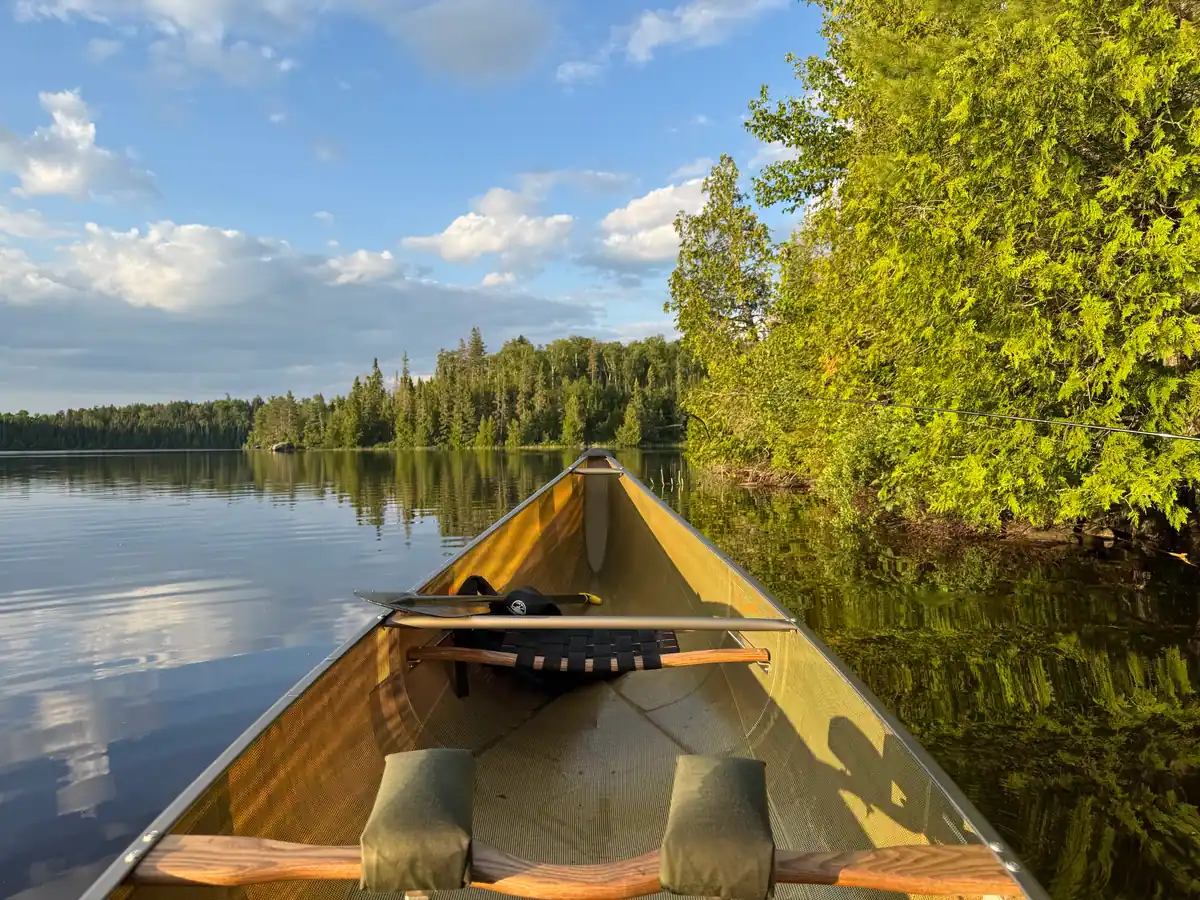
Flathead Catfish Fishing Guide
Catfish & BullheadDocumented in 7 lakes across 2 states
A giant, solitary predator that eats live fish — the trophy of the catfish world. Flatheads reach enormous size.
Flathead Catfish is a catfish — bottom-feeding, warm-water-tolerant, often found in larger river-connected lakes. Documented in 7 lakes across the United States (49 states), Canada (Ontario, Québec, Nova Scotia, British Columbia and Newfoundland and Labrador), and 38 other country hubs. LakeQuality covers. Flathead Catfish is narrowly distributed — only 6 lakes in Minnesota and 1 in Michigan have a documented record. The constraint is usually habitat: cold water, specific depth profile, or river connection.
Catfish-bearing lakes are often productive systems — the kind where the fish do well even when clarity does not. Cross-reference the Flathead Catfish lake list below against each lake's clarity, phosphorus and algae readings: lakes with low nutrient readings and Flathead Catfish documented are the best places to start for recreational targeting.
Where they live
Deep cover — logjams, undercut banks, and rock — in rivers and river-lakes.
Water quality they need
Tolerant of turbid, warm water; a river and reservoir species less tied to clarity than to structure and forage.
When to catch them
Prime in summer; big flatheads feed on live bait around heavy cover after dark.
Flathead Catfish Seasonal Forecast & Techniques
Part of the LakeQuality Fishing Forecast. Spawn trigger: Cavity nester in heavy cover; a live-fish predator, not a scavenger. Forage: Live fish — bluegill, bullhead, shad. For a forecast tuned to a specific lake's measured clarity and depth, open that lake's forecast.
| Season | Where they hold | Structure & cover | Technique |
|---|---|---|---|
| Spring | mid 8–20 ft | logjams, undercut banks, deep cover | live bait near heavy cover |
| Summer | holes & cover 10–30 ft | deep cover and holes — prime warm-water season, after dark | large live bait (bluegill/bullhead) on the bottom |
| Fall | mid-to-deep 12–30 ft | deep cover as they feed up | big live bait at night |
| Winter / Ice | deep 20–40 ft | deep wintering holes (dormant) | largely inactive |
Best Flathead Catfish Lakes by Water Quality
Top 50 lakes with flathead catfish, ranked on nutrient and algae readings.
| Rank | Lake | County | State | Depth | Species |
|---|---|---|---|---|---|
| 1 | Manistee Lake South | Manistee | MI | - | 7 |
| 2 | Lake St Croix | Pierce | MN | 78 ft | 36 |
| 3 | Pool | Washington | MN | 78 ft | 36 |
| 4 | Pool of Lake St Croix | Washington | MN | 78 ft | 36 |
| 5 | Byllesby Lake | Dakota | MN | 50 ft | 19 |
| 6 | Pepin Lake | Pepin | MN | 60 ft | 47 |
| 7 | Spring Lake | Dakota | MN | 17 ft | 21 |
Frequently Asked Questions
What water quality do flathead catfish need?
Tolerant of turbid, warm water; a river and reservoir species less tied to clarity than to structure and forage.
How many lakes have flathead catfish?
Flathead Catfish are documented in 7 lakes: 6 in Minnesota, 1 in Michigan.
What are the best lakes for flathead catfish?
The best flathead catfish lakes by water quality are Manistee Lake South, Lake St Croix, Pool, Pool of Lake St Croix, Byllesby Lake. These lakes carry the lowest nutrient and algae readings among all lakes where flathead catfish have been documented by state DNR surveys.
What other fish are found with flathead catfish?
Flathead Catfish are most commonly found alongside black crappie, bluegill, channel catfish, common carp, flathead catfish. These species share similar habitat preferences in the region's lakes.
Other Fish Species in Flathead Catfish Lakes
Found together in 6 lakes · 1,386 total
Found together in 6 lakes · 1,550 total
Found together in 6 lakes · 134 total
Found together in 6 lakes · 487 total
Found together in 6 lakes · 99 total
Found together in 6 lakes · 37 total
Fish species from state agency survey, stocking, and public fishing-access records; water-quality readings from the EPA National Aquatic Resource Surveys. Species profiles are general reference; always check current state regulations before fishing.