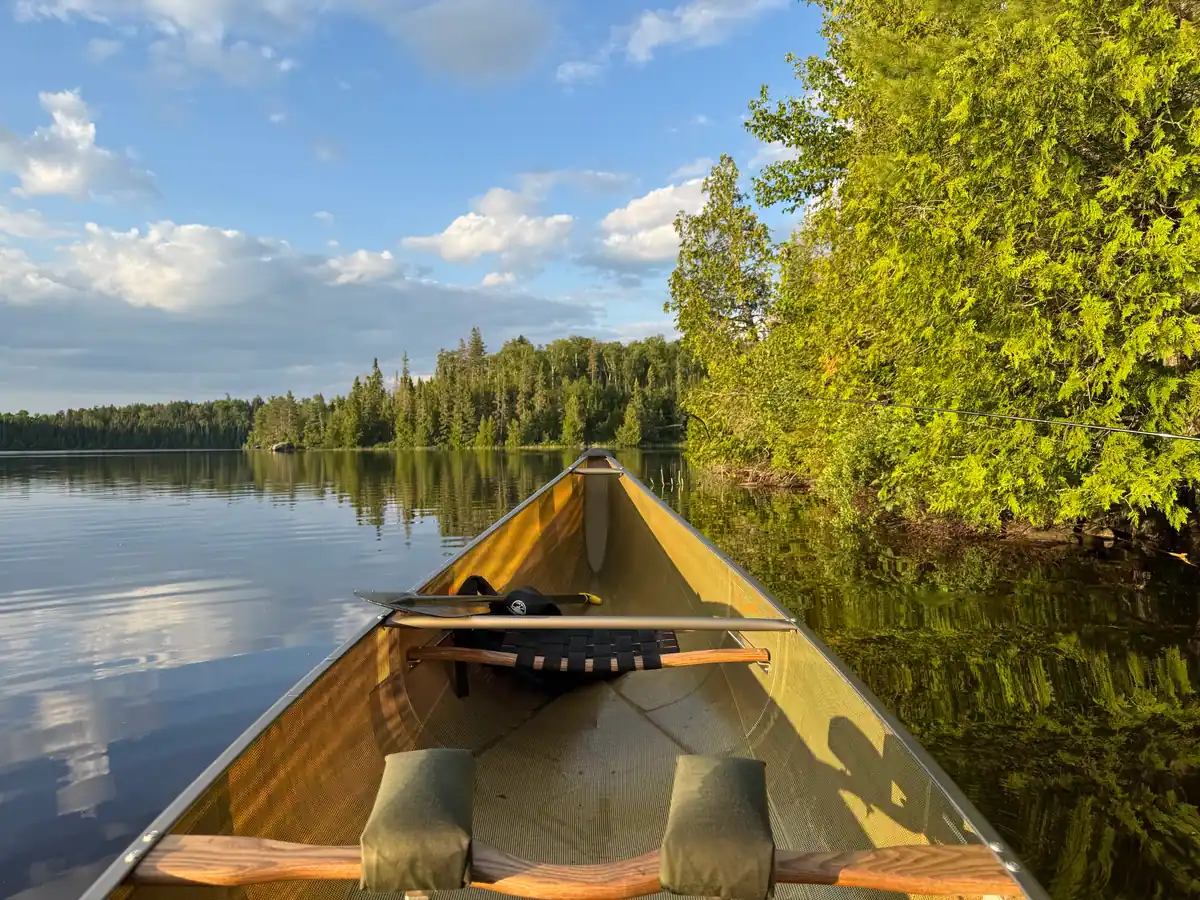
How Water Quality Affects Fishing in Minnesota, Wisconsin & Michigan
Water quality directly determines which fish species a lake can support, how large they grow, and whether they are safe to eat. This guide explains the connection between a lake's nutrient, algae and clarity readings and the fishing you can expect.
Fish Species by Trophic State
Different fish species have different tolerances for nutrients, algae and summer oxygen. The trophic state on a lake page, a classification of its measured chlorophyll-a from oligotrophic (clear, nutrient-poor) to hypereutrophic (dense algae), is the quickest guide to what you can typically expect to find:
Oligotrophic: Premier Coldwater Fisheries
Crystal clear water with minimal algae and cold, oxygen-rich depths. These lakes support the most demanding species.
Target species: Lake Trout, Cisco, Brook Trout, Smallmouth Bass, Walleye, Northern Pike
Best for: Trophy smallmouth, lake trout, and diverse multi-species fishing
Mesotrophic: Excellent All-Around Fisheries
Clear water with moderate nutrients and low algae. Supports warm and cool water species with strong populations.
Target species: Walleye, Northern Pike, Smallmouth Bass, Largemouth Bass, Muskellunge, Panfish
Best for: Walleye, musky, and consistent multi-species action
Eutrophic: Productive Warm-Water Fisheries
Nutrient-rich water with frequent algae and reduced clarity. Often very productive for panfish and largemouth bass; summer oxygen loss in deep water limits coldwater species.
Target species: Largemouth Bass, Bluegill, Black Crappie, Northern Pike, Yellow Perch, Channel Catfish
Best for: Panfish numbers, largemouth bass, and catfish
Hypereutrophic: Hardy-Species Fishing
Very murky water with dense algae blooms. Summer and winter fish kills are common, and species diversity is low.
Target species: Bullheads, Common Carp, Green Sunfish, some Largemouth Bass
Best for: Bullhead fishing, catfish, and hardy panfish; check consumption advisories before eating fish from these lakes
Average Fish Species by Trophic State
Among lakes with a documented fish-species list and enough nutrient or algae sampling to state a trophic class (137 species tracked in total):
| Trophic State | Avg. Species | Lakes with Fish Data |
|---|---|---|
| Oligotrophic | 9.4 | 321 |
| Mesotrophic | 8.9 | 845 |
| Eutrophic | 9.9 | 636 |
| Hypereutrophic | 10.4 | 103 |
Water Clarity and Fishing Tactics
Water clarity (measured by Secchi depth in feet) is one of the most important factors for choosing fishing tactics:
- Over 15 ft clarity: Fish can see lures from far away. Use finesse presentations, light line, and natural colors. Smallmouth bass and lake trout thrive. Fish deeper during bright conditions.
- 8-15 ft clarity: Ideal walleye range. Walleye use their superior low-light vision to ambush prey. Focus on dawn, dusk, and overcast days for the best walleye action.
- 4-8 ft clarity: Good all-around visibility. Jigs, crankbaits, and spinners all work. Largemouth bass relate to visible weed edges.
- Under 4 ft clarity: Fish rely more on vibration and scent than sight. Use bright colors, rattling lures, and live bait. Catfish and bullheads excel in low visibility.
Lake Depth and Fish Habitat
Lake depth determines whether a lake can support cold-water species through the summer:
- Deep lakes (60+ ft): Can maintain cold, oxygenated water below the thermocline. Support lake trout, cisco, whitefish, and deep-water walleye populations year-round.
- Moderate depth (20-60 ft): The most versatile fisheries. Warm-water species in the shallows, cool-water species (walleye, pike) using the thermocline. Best diversity.
- Shallow lakes (under 20 ft): Warm entirely in summer. Limited to warm-water species. Can be extremely productive for panfish and largemouth bass but vulnerable to winter kill.
Frequently Asked Questions
Do cleaner lakes have more fish species?
Generally yes. Clear, low-nutrient (oligotrophic and mesotrophic) lakes tend to support more fish species because they maintain the dissolved oxygen levels, water temperatures, and habitat conditions that diverse fish communities need. However, some nutrient-rich (eutrophic) lakes can also support large populations of certain species like bluegill and crappie.
What fish species indicate good water quality?
Coldwater species like lake trout, cisco, brook trout, and whitefish are the strongest indicators of excellent water quality. They require cold, well-oxygenated deep water that only the cleanest lakes provide. Walleye and smallmouth bass also prefer cleaner lakes. Finding these species suggests the lake has low nutrient and algae readings for its region.
Can you catch fish in polluted lakes?
Yes, some fish species tolerate poor water quality. Common carp, bullheads, and green sunfish can survive in hypereutrophic lakes with dense algae and low summer oxygen. However, fish from heavily polluted lakes may have consumption advisories due to mercury, PCBs, or other contaminants. Whether fish are safe to eat is a call for the state health department; always check its fish consumption guidelines.
How does water clarity affect fishing?
Water clarity affects which fish thrive and how they feed. Clear lakes (Secchi depth over 10 ft) favor sight-feeding predators like smallmouth bass and lake trout. Moderate clarity (4-10 ft) is ideal for walleye, which use their low-light vision advantage. Murky lakes (under 4 ft) favor species that rely on vibration and scent, like catfish and bullheads.
Does lake depth matter for fishing?
Lake depth is critical because it determines thermal stratification and oxygen availability. Deep lakes maintain cold, oxygenated water below the thermocline where trout and cisco survive summer heat. Shallow lakes warm entirely in summer, limiting habitat to warm-water species. The best multi-species fisheries tend to be moderately deep lakes (30-100 ft) with clear, low-nutrient water.
Get fishing-water updates by email
New nutrient and algae readings on lakes you care about. Unsubscribe anytime.