Published March 17, 2026 · Updated August 18, 2026
Which Lakes Have the Most Fish Species?
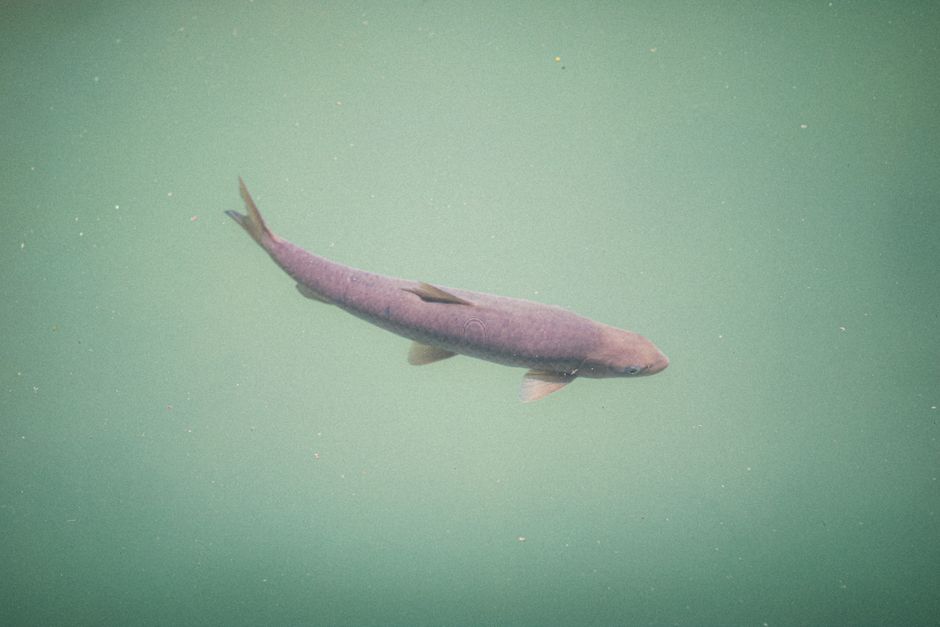
137 fish species turn up across the state fisheries surveys behind these pages. The list below is not a national biodiversity contest — it is the longest species lists among lakes that also carry a water-quality grade, in the 3 states with enough survey coverage to compare: Minnesota, Wisconsin, Michigan.
The 25 longest species lists
Pepin Lake currently sits at the top with 47 documented species, a surveyed max depth of 60 ft. Open the lake page for the full list. Counts come from state fisheries surveys matched to each lake — Minnesota DNR LakeFinder is the densest example — not from creel surveys or stocking reports alone.
| Rank | Lake | State | Species | Depth |
|---|---|---|---|---|
| 1 | Pepin Lake | MN | 47 | 60 ft |
| 2 | Long Lake | MI | 40 | 60 ft |
| 3 | Long Lake | MI | 40 | 88 ft |
| 4 | Long Lake | MI | 40 | - |
| 5 | Long Lake | MI | 40 | 61 ft |
| 6 | Round Lake | MI | 37 | 15 ft |
| 7 | Round Lake | MI | 37 | - |
| 8 | Round Lake | MI | 37 | - |
| 9 | Round Lake | MI | 37 | - |
| 10 | Round Lake | MI | 37 | - |
| 11 | Round Lake | MI | 37 | - |
| 12 | Lake St Croix | MN | 36 | 78 ft |
| 13 | Pool of Lake St Croix | MN | 36 | 78 ft |
| 14 | Pool | MN | 36 | 78 ft |
| 15 | Portage Lake | MI | 34 | 40 ft |
| 16 | Upper Estuary Lake | MN | 33 | 55 ft |
| 17 | Baldwins Lake | MI | 33 | 55 ft |
| 18 | Burt Lake | MI | 33 | 73 ft |
| 19 | Eagle Lake | MI | 30 | - |
| 20 | Otter Lake | MI | 30 | 70 ft |
| 21 | Otter Lake | MI | 30 | - |
| 22 | Pickerel Lake | MI | 29 | 72 ft |
| 23 | Murray Lake | MI | 29 | - |
| 24 | Crooked Lake | MI | 27 | - |
| 25 | Crooked Lake | MI | 27 | 60 ft |
The full table is lakes with the most species. You can also browse by species (137 of them), or by angling at the best-fishing ranking.
What a long list is actually measuring
A DNR species list records what the survey crews actually caught in gill nets, trap nets, and electrofishing runs — not a census of every minnow in the weeds. The lakes that keep landing near the top of it have four things in common:
- Size and shoreline complexity. More bays, rock, weed, and pelagic water means more niches.
- A depth gradient. Shallow warm bays plus a deep, oxygenated basin can hold bass, walleye, and cisco in the same lake.
- Connected water. Inlets and outlets let river fish commute. Isolated kettle lakes do not.
- Enough oxygen. Low nutrient and algae readings help the coldwater species. They do not, by themselves, create habitat diversity.
That last point is visible in the table: 5 of the 8 measured lakes in the top 25 sit in EPA’s favourable condition classes. The rest are chemically ordinary lakes with a lot of structure. Species richness and the EPA condition class answer different questions. Coverage is also uneven: only 3 states publish fisheries survey species lists in enough detail to compare this way, while water-quality readings cover the United States (49 states), Canada (Ontario, Québec, Nova Scotia, British Columbia and Newfoundland and Labrador), and 38 other country hubs.. A lake in a state without published survey lists is not species-poor — its fish simply have not been counted in a form this table can use.
Eating the catch is a third question. Mercury and PFAS do not care how long the species list is. Mercury, PFAS, and the Fish You Shouldn't Eat is the companion, and each lake with classified fish also has a fishing and water-quality guide path.
Frequently Asked Questions
Pepin Lake in MN currently leads with 47 documented species. The ranking covers the states whose fisheries agencies publish survey species lists for lakes we measure — Minnesota, Wisconsin, Michigan. The current table is at lakequality.org/ranking/most-species.
Not by itself. Of the 8 lakes in the top 25 that also carry nutrient and algae readings, 5 sit in EPA’s favourable condition classes. Large, connected, habitat-diverse lakes rack up species lists even when nutrients are only fair. A small oligotrophic lake can be chemically excellent and still hold a short species list.
State fisheries surveys — not angler reports, and not a complete inventory of every fish in the lake. Minnesota DNR LakeFinder, Wisconsin DNR fisheries, and the other agencies in the fish-data states publish what they sampled. A species absent from the list may still be present; a species on the list was recorded.
A long species list says nothing about whether the fish are safe to eat. Mercury, PCBs, and PFAS build up in fish tissue and are measured separately. Check the lake’s fish-advisory information and your state health department before keeping a meal — our explainer on those advisories is at lakequality.org/blog/fish-consumption-advisories-mercury-pfas.
/methodology
Related Articles
Get more lake water-quality guides by email
New fish-diversity and water-quality guides as we publish. No spam, unsubscribe anytime.