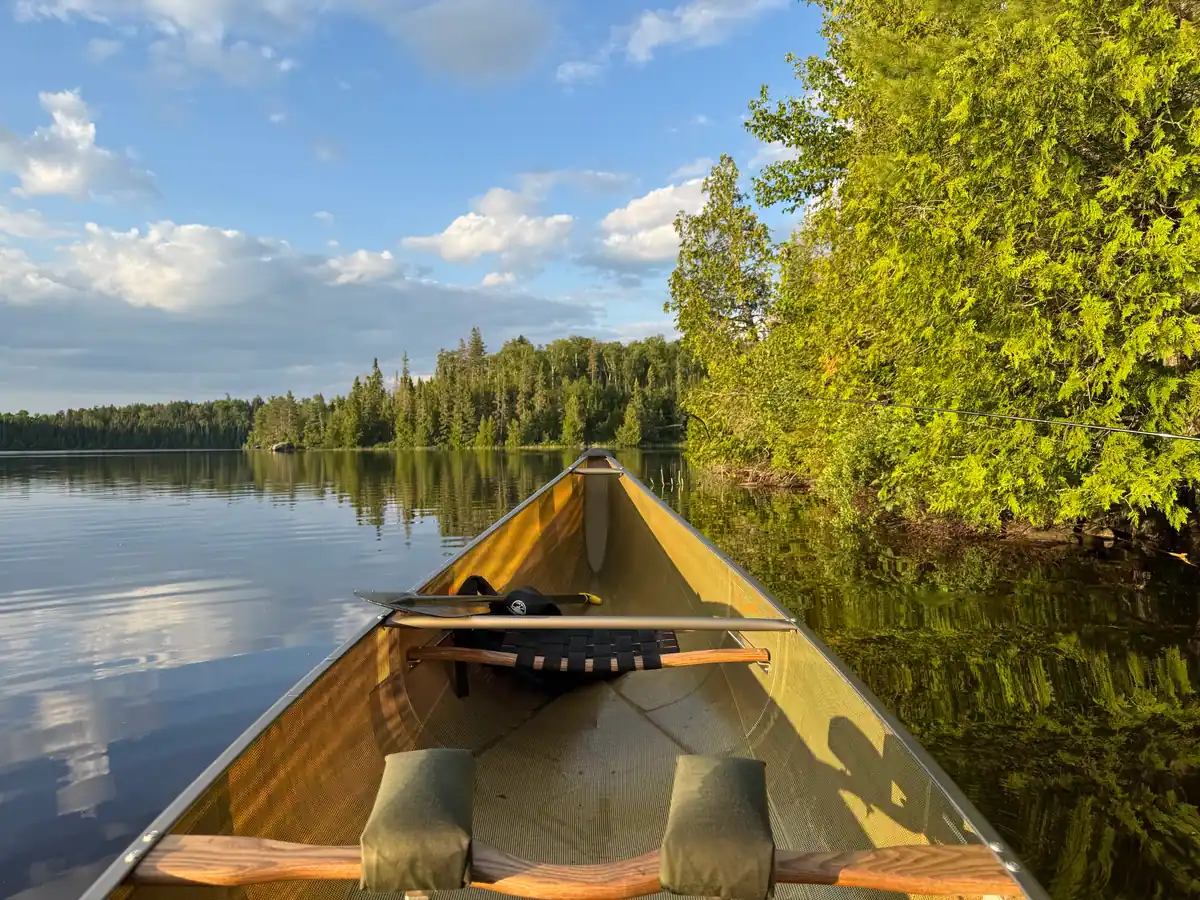
Brown Trout Fishing Guide
Trout, Salmon & ColdwaterDocumented in 11 lakes across 2 states
A wary, hard-fighting coldwater trout that grows large and lives long. Browns tolerate slightly warmer water than brook trout.
Trout species like Brown Trout need cold, oxygen-rich water year-round — that constraint limits Brown Trout to 11 lakes in the United States (49 states), Canada (Ontario, Québec, Nova Scotia, British Columbia and Newfoundland and Labrador), and 38 other country hubs. LakeQuality covers, mostly the deeper or spring-fed basins. Brown Trout is narrowly distributed — only 7 lakes in Minnesota and 4 in Michigan have a documented record. The constraint is usually habitat: cold water, specific depth profile, or river connection.
Trout presence is itself a water-quality signal: a the United States (49 states), Canada (Ontario, Québec, Nova Scotia, British Columbia and Newfoundland and Labrador), and 38 other country hubs. LakeQuality covers lake that supports a Brown Trout population is almost certainly running cold enough and oxygenated enough to also support healthier overall water quality. Trout-supporting lakes almost always carry low nutrient and algae readings, because the cold, deep, well-oxygenated conditions trout need produce clear, low-phosphorus water almost as a side effect.
Where they live
Deep, cool water and structure in clear lakes; cover-oriented and often nocturnal.
Water quality they need
A coldwater species that needs clear, cool, oxygen-rich water, concentrated in the clearer, lower-nutrient lakes, though a bit more tolerant than brook trout.
When to catch them
Best in cold water — spring, fall, and winter; deep and low-light in summer.
Brown Trout Seasonal Forecast & Techniques
Part of the LakeQuality Fishing Forecast. Spawn trigger: Fall spawner over gravel; wary and often nocturnal; slightly warmer-tolerant than brook trout. Forage: Baitfish, insects, and crayfish. For a forecast tuned to a specific lake's measured clarity and depth, open that lake's forecast.
| Season | Where they hold | Structure & cover | Technique |
|---|---|---|---|
| Spring | shallow-to-mid 3–15 ft | shorelines, inflows, cover in cool water | jerkbaits, spoons, spinners, flies |
| Summer | deep/cool near thermocline | cold oxygenated water and structure | trolling spoons/stickbaits deep; low-light shallow |
| Fall | shallow 3–15 ft | gravel spawning zones — big browns move up | stickbaits and streamers; respect closures |
| Winter / Ice | 5–25 ft | deep clear lakes / stocked ice fishery | jigging spoons, minnows |
Coldwater species — check size limits and spawning-season regulations.
Best Brown Trout Lakes by Water Quality
Top 50 lakes with brown trout, ranked on nutrient and algae readings.
| Rank | Lake | County | State | Depth | Species |
|---|---|---|---|---|---|
| 1 | Upper Gull Lake | Cass | MN | 54 ft | 20 |
| 2 | Island Lake | Clearwater | MN | 58 ft | 5 |
| 3 | Upper Estuary Lake | St. Louis | MN | 55 ft | 33 |
| 4 | Big Watab Lake | Stearns | MN | 123 ft | 15 |
| 5 | Loon Lake | Aitkin | MN | 21 ft | 3 |
| 6 | Chester Lake | Cook | MN | 35 ft | 3 |
| 7 | Miner'S Pit West Lake | St. Louis | MN | 140 ft | 9 |
| 8 | Pentwater Lake | Oceana | MI | - | 1 |
| 9 | Viking Lake | Otsego | MI | 25 ft | 18 |
| 10 | Arcadia Lake | Manistee | MI | - | 1 |
| 11 | Burt Lake | Cheboygan | MI | 73 ft | 33 |
Frequently Asked Questions
What water quality do brown trout need?
A coldwater species that needs clear, cool, oxygen-rich water, concentrated in the clearer, lower-nutrient lakes, though a bit more tolerant than brook trout.
How many lakes have brown trout?
Brown Trout are documented in 11 lakes: 7 in Minnesota, 4 in Michigan.
What are the best lakes for brown trout?
The best brown trout lakes by water quality are Upper Gull Lake, Island Lake, Upper Estuary Lake, Big Watab Lake, Loon Lake. These lakes carry the lowest nutrient and algae readings among all lakes where brown trout have been documented by state DNR surveys.
What other fish are found with brown trout?
Brown Trout are most commonly found alongside brown trout, white sucker, rainbow trout, bluegill, green sunfish. These species share similar habitat preferences in the region's lakes.
Other Fish Species in Brown Trout Lakes
Found together in 6 lakes · 1,211 total
Found together in 5 lakes · 37 total
Found together in 4 lakes · 1,550 total
Found together in 4 lakes · 753 total
Found together in 4 lakes · 1,090 total
Found together in 4 lakes · 2,489 total
Fish species from state agency survey, stocking, and public fishing-access records; water-quality readings from the EPA National Aquatic Resource Surveys. Species profiles are general reference; always check current state regulations before fishing.