Published June 30, 2026 · Updated for the 2026 season
Algae Season 2026: The States With the Most Advisories
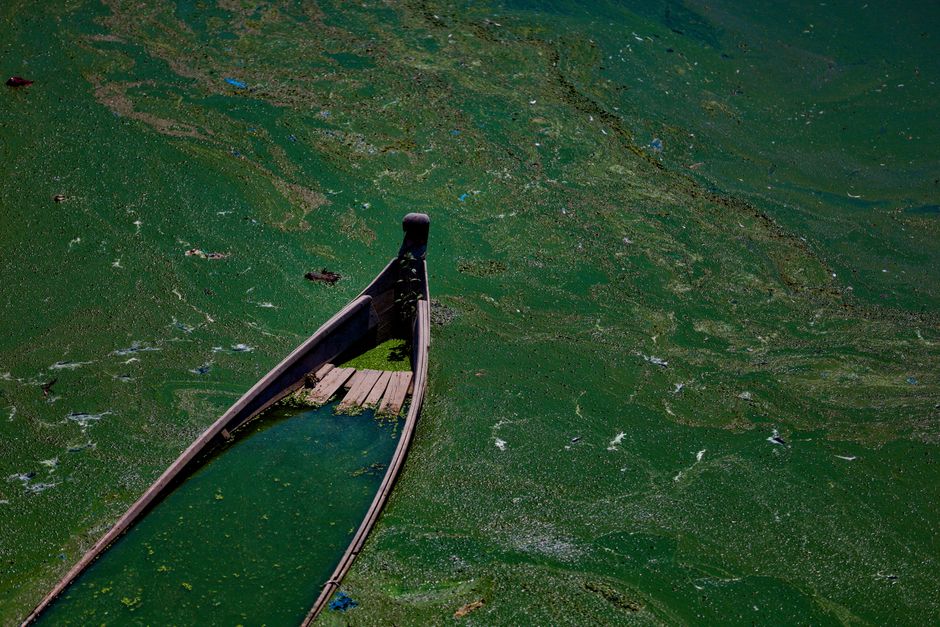
Heading into summer 2026, harmful-algae risk concentrates where nutrients concentrate. Across the United States (49 states), Canada (Ontario, Québec, Nova Scotia, British Columbia and Newfoundland and Labrador), and 38 other country hubs. we track, 6,089 lakes carry an EPA impairment listing, and the lakes with the highest algae signals cluster in the same nutrient-rich basins. This is where to be most careful this season, drawn from EPA ATTAINS and Water Quality Portal records.
Where algae risk concentrates, state by state
Algae risk is a nutrient story, and nutrients show up in the impairment record. The table below ranks the states we cover by how many of their monitored lakes carry an EPA impairment listing — a Clean Water Act flag that a lake is not meeting water-quality standards, often for the nutrients and algae that drive blooms.
| State | Lakes assessed | Impaired | Share | Top cause group |
|---|---|---|---|---|
| Minnesota | 6,760 | 1,614 | 23.9% | Mercury |
| Florida | 3,122 | 878 | 28.1% | Nutrients (phosphorus, nitrogen) |
| New York | 1,613 | 399 | 24.7% | Nutrients (phosphorus, nitrogen) |
| Massachusetts | 829 | 389 | 46.9% | Nuisance exotic species |
| Wisconsin | 3,133 | 388 | 12.4% | Nutrients (phosphorus, nitrogen) |
| Michigan | 3,392 | 383 | 11.3% | Mercury |
| Illinois | 594 | 242 | 40.7% | Nutrients (phosphorus, nitrogen) |
| Washington | 792 | 153 | 19.3% | Nuisance exotic species |
| Missouri | 451 | 132 | 29.3% | Algal growth |
| Kansas | 239 | 130 | 54.4% | Nutrients (phosphorus, nitrogen) |
| Oregon | 659 | 125 | 19.0% | Algal growth |
| Iowa | 330 | 122 | 37.0% | Turbidity |
| Virginia | 390 | 118 | 30.3% | Mercury |
| Nebraska | 592 | 88 | 14.9% | Mercury |
| Pennsylvania | 570 | 85 | 14.9% | Mercury |
| Indiana | 387 | 83 | 21.4% | Nutrients (phosphorus, nitrogen) |
| Colorado | 733 | 76 | 10.4% | Metals (other than mercury) |
| Vermont | 308 | 74 | 24.0% | Nuisance exotic species |
| Kentucky | 189 | 66 | 34.9% | Nutrients (phosphorus, nitrogen) |
| Utah | 304 | 58 | 19.1% | pH / acidity |
| South Dakota | 469 | 54 | 11.5% | Mercury |
| North Dakota | 826 | 49 | 5.9% | Nutrients (phosphorus, nitrogen) |
| Alabama | 422 | 44 | 10.4% | Mercury |
| Idaho | 301 | 40 | 13.3% | Nutrients (phosphorus, nitrogen) |
| New Mexico | 326 | 40 | 12.3% | Nutrients (phosphorus, nitrogen) |
| Texas | 1,376 | 39 | 2.8% | Algal growth |
| Arkansas | 632 | 38 | 6.0% | Mercury |
| Montana | 865 | 34 | 3.9% | Metals (other than mercury) |
| Arizona | 229 | 30 | 13.1% | Mercury |
| North Carolina | 395 | 29 | 7.3% | Algal growth |
| Nevada | 223 | 29 | 13.0% | Metals (other than mercury) |
| Tennessee | 277 | 29 | 10.5% | Mercury |
| Georgia | 693 | 23 | 3.3% | PCBs |
| Ohio | 292 | 4 | 1.4% | Algal growth |
| Wyoming | 731 | 4 | 0.5% | Metals (other than mercury) |
| Oklahoma | 319 | 0 | 0.0% | — |
| Ontario | 2,766 | 0 | 0.0% | — |
| Québec | 1,017 | 0 | 0.0% | — |
| Nova Scotia | 1,018 | 0 | 0.0% | — |
| British Columbia | 150 | 0 | 0.0% | — |
| Newfoundland and Labrador | 17 | 0 | 0.0% | — |
Read the impairment share as an exposure map, not a verdict on any single beach. A listing covers a range of causes — nutrients, mercury, low oxygen, sediment — but nutrient and algae causes dominate the lakes most likely to bloom in a hot summer. Open a state to see its full impaired-waters list and the specific causes behind each listing.
Lakes with the highest algae signals
The lakes below carry the highest chlorophyll-a readings in our data — a direct measure of how much algae is in the water. This is an algae-density signal, not a confirmed toxin event: a high reading means a lake is prone to heavy blooms, not that its water is currently toxic. Only a state cyanotoxin test can confirm a harmful bloom. Still, these are the lakes to watch most closely as the water warms.
| Lake | State | County | Chlorophyll-a (µg/L) |
|---|---|---|---|
| Marais des Cygnes Wildlife Area Lake | KS | Linn | 454.0 |
| Olson Lake | MN | Big Stone | 384.0 |
| Rita Blanca Lake | TX | Hartley | 345.0 |
| Cowley Lake | MN | Hennepin | 343.5 |
| Domeier Lake | MN | Brown | 332.0 |
| Unnamed Lake | MN | Brown | 300.0 |
| Marais des Cygnes Nwr Lake | KS | Linn | 255.0 |
| Alice Lake | MN | Otter Tail | 254.0 |
| Ellis City Lake | KS | Ellis | 250.0 |
| Maria Lake | MN | Carver | 249.5 |
For context, EPA’s Good condition class sits below about 5 µg/L of chlorophyll-a and its poorest above 30 µg/L. The lakes here run well past that ceiling, which is why they anchor the high end of the risk scale.
What drives algae season
Two ingredients make a bloom: nutrients and heat. Phosphorus is the fuel — lakes loaded with it from farm runoff, stormwater, and shoreline development have the raw material for dense growth. Summer supplies the trigger: warm, calm water lets cyanobacteria (blue-green algae) multiply fast and float to the surface as scum. That is why blooms peak in the hottest, stillest weeks of the year and why a nutrient-rich lake can look fine in June and turn green in August. We break the mechanism down further in why lakes turn green and in the algae bloom guide.
How to stay safe this season
The rule is simple: when in doubt, stay out. Avoid water that looks like spilled green paint, pea soup, or carries a surface scum, and keep pets out entirely — dogs are far more vulnerable to cyanotoxins than people. Rinse off after any contact with lake water, and never let children or animals drink it. Because a bloom can appear within days, a lake's long-term readings are not a same-day guarantee. Before you head out, check the live picture on our algae advisories page and your state’s health-department bulletins, and consult the CDC's harmful algal bloom guidance for symptoms to watch for.
Frequently Asked Questions
No. Chlorophyll-a measures how much algae is in the water, not whether that algae is producing toxins. High readings signal elevated bloom risk and warrant caution, but only a direct cyanotoxin test — run by state agencies — can confirm a harmful bloom. Treat the lakes here as risk signals, not confirmed toxin events.
Algae blooms are driven by nutrients plus heat. Lakes already loaded with phosphorus bloom hardest when summers are warm and calm: high water temperatures speed cyanobacteria growth, and still conditions let surface scums form. A hot, dry summer following a wet, nutrient-flushing spring is the classic recipe for a bad algae season.
Impairment concentrates where nutrient loads are highest — typically agricultural basins. Across the states we track, 6,089 lakes carry an EPA impairment listing. The state table above ranks them by how many impaired lakes each reports.
When in doubt, stay out. Avoid water that looks like spilled paint, pea soup, or has a surface scum; keep pets out of it entirely, since dogs are far more vulnerable to cyanotoxins. Check your state's beach and algae advisories before you go, and rinse off after any contact with lake water.
The state impairment figures come from EPA ATTAINS, the national database of Clean Water Act 303(d) impaired-waters listings. The algae rankings come from chlorophyll-a measurements in the EPA Water Quality Portal. Both are public records, and every lake links back to its source.
/methodology
Related Articles
Get algae-season alerts and water-quality guides by email
New advisories and lake data as we publish them. No spam, unsubscribe anytime.