Published June 2, 2026
Why Lakes Turn Green: Phosphorus and Nutrient Pollution
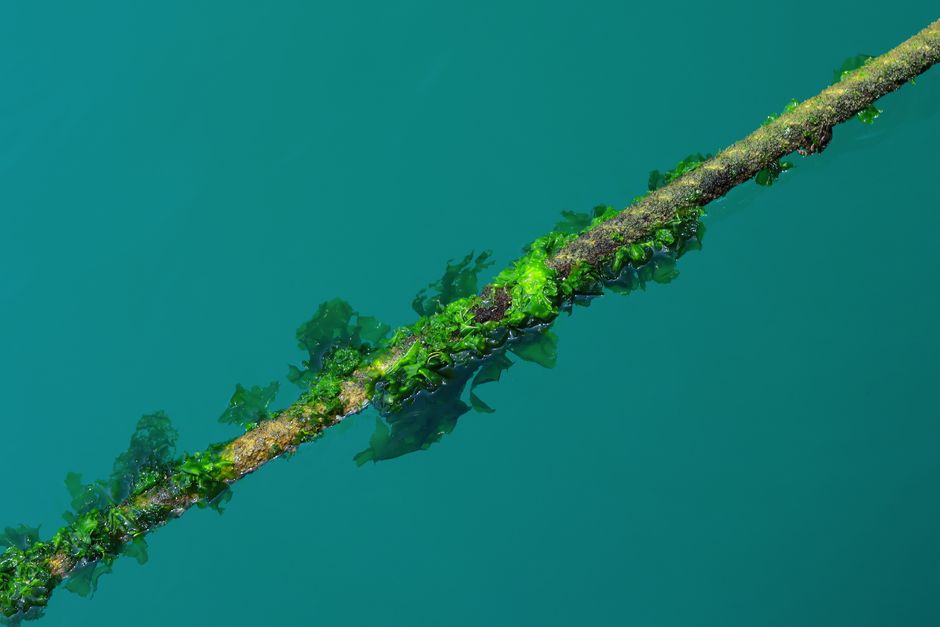
Lakes turn green when excess phosphorus fertilizes algae — the single biggest driver of poor freshwater quality, and the reading that matters most on a lake's page.
Phosphorus is the nutrient that controls algae
In most freshwater lakes, phosphorus is the limiting nutrient — the resource in shortest supply relative to what algae need to grow. Algae need light, carbon, nitrogen, and phosphorus; in a typical lake they run out of phosphorus first. That is why phosphorus is the lever: add a little, and algae that were held in check suddenly have everything they need to multiply. A lake that gets clearer or greener year to year is usually responding to how much phosphorus is reaching it, not to any single dramatic event.
Where the phosphorus comes from
The nutrients that green a lake arrive from the land around it. The largest external sources are:
- Fertilizer and manure from farm fields and lawns, washed off by rain and irrigation.
- Failing or undersized septic systems near the shoreline, which leak nutrient-rich wastewater into groundwater and the lake.
- Urban stormwater that carries lawn fertilizer, pet waste, and street grime straight into storm drains and downstream waters.
- Eroded soil, because phosphorus binds tightly to soil particles — so anything that increases erosion (bare fields, cleared shoreline, construction) moves phosphorus with it.
The U.S. EPA's nutrient pollution program documents these pathways in detail and treats nitrogen and phosphorus loading as one of the most widespread water-quality problems in the country.
Eutrophication, step by step
Eutrophication is the process of a lake becoming over-enriched with nutrients, and it follows a predictable chain. Excess phosphorus enters the lake. Algae and cyanobacteria bloom, tinting the water green and cutting clarity. The bloom eventually dies and sinks. Bacteria decomposing that dead algae consume oxygen, and deep water can go hypoxic — low or empty of oxygen. Low oxygen stresses or kills fish and, critically, changes the chemistry at the lake bottom in a way that releases still more phosphorus. What began as a nutrient input becomes a self-reinforcing cycle.
Internal versus external loading
Managers split phosphorus sources into two kinds. External loading is everything washing in from the watershed — the fertilizer, septic, stormwater, and eroded soil above. Internal loading is phosphorus already in the lake's bottom sediment being released back into the water, which happens when deep water loses oxygen during a summer bloom. Internal loading is why some lakes stay green for years even after a community reduces the runoff coming in: the lake is, in effect, fertilizing itself from its own sediment until that stored phosphorus works its way out.
How green shows up in the readings
Because phosphorus drives algae, two of the measurements on every lake page are direct readouts of this process: total phosphorus (the fuel) and chlorophyll-a (how much algae the fuel produced). Nitrogen and turbidity round out the readings; Secchi clarity is shown on the lake page separately. A lake loaded with phosphorus and thick with chlorophyll reads poorly; a nutrient-poor lake reads well. Our methodology explains exactly how those thresholds map to EPA condition classes. The lakes below carry the highest measured chlorophyll-a in our dataset — the clearest picture of nutrient stress in action.
| Lake | State | County | Chlorophyll-a (µg/L) | Phosphorus (µg/L) |
|---|---|---|---|---|
| Marais des Cygnes Wildlife Area Lake | KS | Linn | 454 | 2.3 |
| Olson Lake | MN | Big Stone | 384 | 774 |
| Rita Blanca Lake | TX | Hartley | 345 | 710 |
| Cowley Lake | MN | Hennepin | 343.5 | 738.6 |
| Domeier Lake | MN | Brown | 332 | 246 |
| Unnamed Lake | MN | Brown | 300 | - |
Nutrients and impaired waters
When nutrient pollution pushes a lake past legal water-quality standards, it can land on a state's Clean Water Act 303(d) list of impaired waters (tracked nationally in EPA's ATTAINS system), often with nutrients or excess algal growth named as the cause. You can see which lakes carry that designation on our impairment pages — for example, impaired lakes in Minnesota. To understand the full spectrum from clear to green, our companion explainer on trophic state shows how nutrient enrichment moves a lake through recognized productivity categories.
Frequently Asked Questions
Lakes turn green when algae multiply rapidly, and the fuel for that growth is usually phosphorus. Warm water, sunlight, and calm conditions in summer let algae bloom quickly once enough phosphorus is present. The green color is chlorophyll from billions of algae cells suspended in the water.
In most freshwater lakes phosphorus is the limiting nutrient — the one in shortest supply relative to what algae need. Because algae run out of phosphorus before they run out of anything else, adding even a small amount of it produces a large increase in algae growth. That makes phosphorus the primary lever for both causing and controlling green lakes.
External sources include fertilizer and manure washed off farm fields and lawns, failing or undersized septic systems, urban stormwater, and eroded soil that carries phosphorus attached to it. Internal loading adds to that: phosphorus stored in bottom sediments can be released back into the water when deep water loses oxygen, feeding blooms even after external inputs are cut.
Green water signals high algae, which shows up in a lake's chlorophyll-a reading and can indicate a harmful bloom, but not every green lake is producing toxins. Blue-green algae (cyanobacteria) can release toxins, so treat thick green scum with caution. Check the lake's grade and current advisories, and avoid contact with water that looks like spilled paint or pea soup.
/methodology
Get lake water-quality guides by email
New explainers on algae, nutrients, and lake health as we publish. No spam, unsubscribe anytime.