Published March 30, 2026 · Updated August 18, 2026
Zebra Mussel Spread: How Many Lakes Are Affected?
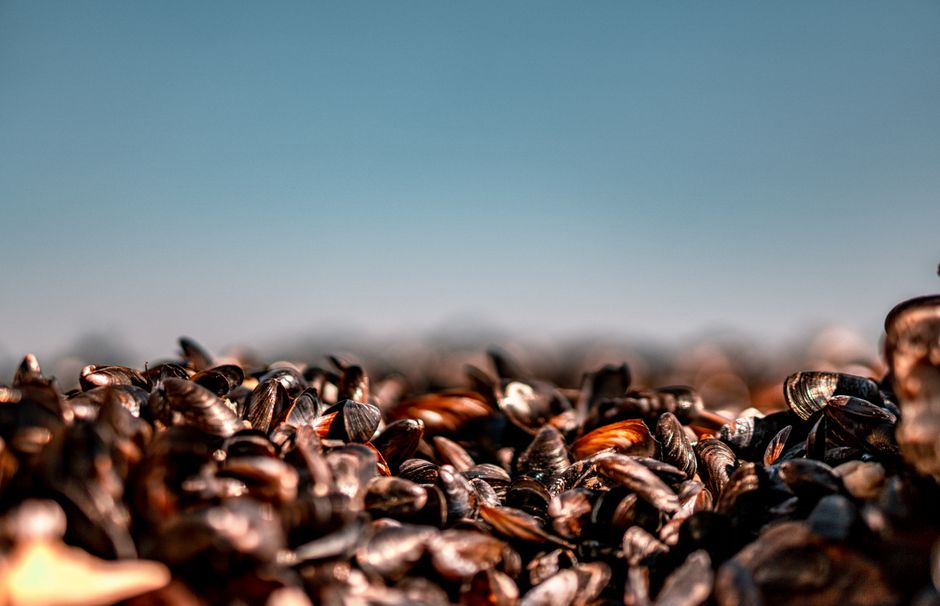
Zebra mussels are documented on 609 of the lakes LakeQuality measures across the United States (49 states), Canada (Ontario, Québec, Nova Scotia, British Columbia and Newfoundland and Labrador), and 38 other country hubs.. 1,581 lakes — 4% of the monitored set — carry at least one aquatic invasive. Every count here comes from a USGS Nonindigenous Aquatic Species record for that specific lake.
By the numbers
The USGS NAS zebra mussel fact sheet (Dreissena polymorpha) is the authority on where the species has been found. A lake is listed here only when USGS has a record for it. One example is Kabetogama Lake (MN).
Where the records cluster
Infestation is not evenly spread. The counties below hold the most lakes with a documented zebra mussel record. A county missing from the table has not been cleared — it may simply have fewer surveyed lakes, or fewer lakes with water-quality pages. Minnesota DNR's own infested waters list is the legal list inside that state; this table is the overlap with lakes that also have a water-quality page.
By state: Minnesota 458, Wisconsin 151. The zebra mussel species page has the full lake list.
What they do to a lake — including the clarity trick
USGS is direct about the biology. Zebra mussels were first found in North America in 1988 in Lake St. Clair, almost certainly from ballast water, and reached all five Great Lakes inside ten years. Adults attach to hard surfaces; larvae hitch in any leftover water. They filter enormous volumes of plankton. That can make a lake look clearer. It also strips the base of the food web that native mussels, larval fish, and diving ducks depend on, and it clogs intakes at power plants and municipal water systems. See the USGS FAQ.
Of the 512 zebra-mussel lakes that also carry nutrient and algae readings, 337 still sit in EPA's favourable classes. That is not a contradiction: the grade measures nutrients and algae, and filter-feeding mussels can push clarity up while doing real damage to the food web. Clean nutrient and algae readings are not a sign that a lake is free of invasive species.
What still works: Clean, Drain, Dispose, Dry
Minnesota DNR states it as law, not a suggestion, on its zebra mussel page and watercraft rules:
- Clean aquatic plants and prohibited species off boats, trailers, and gear before leaving the access.
- Drain livewells, bilge, ballast, and motors. Keep the drain plug out during transport.
- Dispose of leftover bait in the trash. Never dump it in the lake.
- Dry docks, lifts, and rafts 21 days before moving them. For boats, five days of drying or a hot-water decontamination between lakes is the extra step both Minnesota and Wisconsin recommend.
Once zebra mussels are in a lake, eradication in open water is experimental. Prevention is the control that still scales. Check the lake page before launching, and browse the rest of the invasive species index.
Frequently Asked Questions
Zebra mussels are documented on 609 of the lakes measured here, based on USGS Nonindigenous Aquatic Species occurrence records. Many more lakes across North America are infested — this counts the ones that also have a water-quality page. The full list is at lakequality.org/invasive/zebra-mussel.
They filter plankton, which can raise Secchi clarity. That is not the same as a better nutrient and algae readings, and it is not a reason to want them. USGS documents the other half: they starve native mussels, foul intakes, and cut the food that larval fish need. Clarity without the native food web is not a restoration success.
USGS traces the North American introduction to 1988 in Lake St. Clair, likely in transatlantic ballast water. From there they reached all five Great Lakes inside a decade. People now move them on boats, docks, and in bait-bucket water. Microscopic veligers survive in livewells; adults can last days out of water in wet gear.
Clean, Drain, Dispose — and Dry. Minnesota law requires cleaning plants and prohibited species off watercraft, draining with the plug out during transport, and throwing leftover bait in the trash. Docks and lifts must dry 21 days before moving. Wisconsin adds a five-day dry or decontamination between waterbodies.
/methodology
Related Articles
Get more lake water-quality guides by email
New invasive-species and water-quality guides as we publish. No spam, unsubscribe anytime.