Published July 6, 2026 · Updated August 18, 2026
What to Check Before Buying Lakefront Property
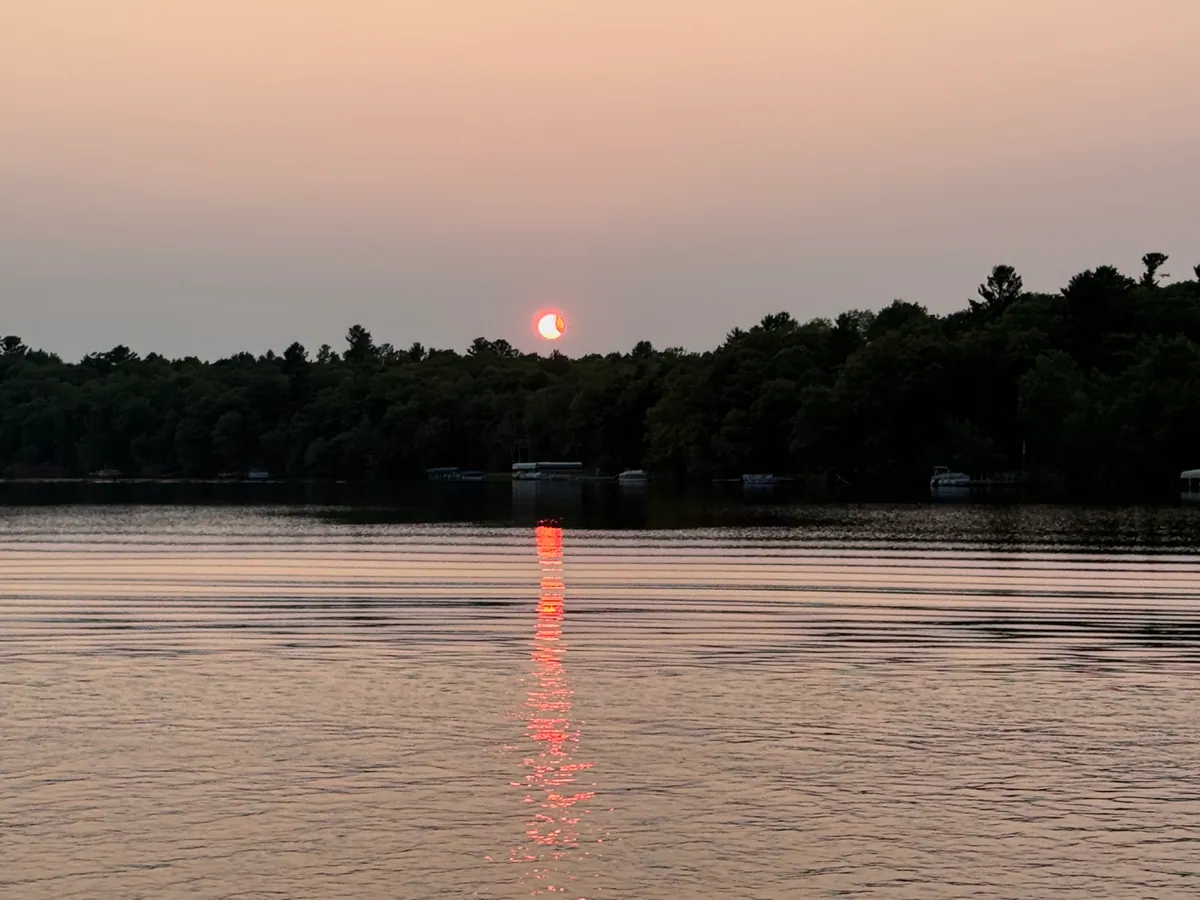
A declining lake is a diligence finding, not a vibe. Round Lake (MN) currently sits on the downward-trend list at about 4.1 feet of Secchi clarity. Before you buy lakefront, check the clarity trend, the Clean Water Act 303(d) listing, algae-advisory history, invasives, and depth — all public records.
Why the water is part of due diligence
Buyers inspect the roof, the septic, and the shoreline setbacks — and then skip the one asset they are actually paying a premium for: the water. That is a mistake. Water quality is measurable, public, and predictive. EPA's nutrient-pollution program documents that degraded water reduces recreation and property values; clearer water is the amenity the listing is selling. The lake's condition today, and its direction over the past decade, belong in your diligence file next to the title search. Work through the five checks below before you make an offer.
1. Clarity and the multi-year trend
Start with water clarity and, more importantly, its trend. A single clarity reading tells you where the lake is; the multi-year trend tells you where your investment is headed. Buying into a lake with steadily declining clarity means buying a problem that compounds — dimmer water, more algae, softer resale — over the years you own it. Read the current readings and the trend together, and treat a downward trend as a material finding. You can see which lakes are losing ground on the declining-lakes ranking, with the mechanism laid out in our piece on the most declining lakes.
2. Impairment (EPA 303(d) listing)
Check whether the lake appears on the Clean Water Act 303(d) list of impaired waters. Under the Act, states identify waterbodies that fail to meet water-quality standards and publish the cause — nutrients, mercury, bacteria, low oxygen, and others — through the EPA’s ATTAINS system. An impairment listing is an official, legally grounded statement that something is wrong, and a nutrient impairment in particular predicts recurring algae problems. Our impaired-lakes list for Minnesota (and the equivalent for each state we cover) surfaces these listings so you can check a lake before you tour it.
3. Algae-advisory history
Look at the lake’s track record of algae advisories, not just its water on the day you visit. A lake with a pattern of summer cyanobacteria (blue-green algae) blooms will most likely bloom again — and chronic blooms close beaches, threaten pets and children, and are the most visible drag on both enjoyment and value. A postcard-clear lake in June can still be a recurring-bloom lake in August, which is exactly why history matters more than a single showing. Start with the algae-advisories page.
4. Invasive species
Find out whether the lake has documented aquatic invasive species, and which ones. Zebra mussels are the headline concern — they colonize docks, lifts, and intake pipes, raising maintenance costs, and they are effectively permanent once established. Others, from Eurasian watermilfoil to starry stonewort, choke shallows and tangle recreation. The federal USGS Nonindigenous Aquatic Species database is the authoritative source. Our zebra mussel spread article counts how many measured lakes carry them, and the invasive-species pages map which lakes carry which infestations. An infestation is not automatically a dealbreaker, but it should be a known, priced-in factor rather than a surprise your first summer.
5. Depth and public access
Depth and access shape both the water and your experience of it. Deeper lakes hold a cold lower layer through summer, resist warming, and tend to sustain better clarity and support coldwater fish — a shallow, nutrient-rich lake is far more prone to blooms and winterkill. Public access is the flip side of the same coin: a public boat launch means more traffic and a higher route for invasive introductions, while a lake with no public access is quieter but harder for anyone else to enjoy. Neither is inherently better, but both belong in the decision. Every lake page lists maximum depth and whether the lake has public access.
Red flags to walk away from
Some findings should stop you, or at least reset the price. The clearest warning signs, in order of severity:
- A declining multi-year clarity trend — the lake is getting worse, and you would be buying into the slide.
- An active 303(d) impairment listing, especially for nutrients — an official finding that the water fails standards.
- A history of chronic harmful algae blooms — recurring beach closures and health risk that recur every summer.
- Established invasives with high maintenance cost, such as zebra mussels — permanent, and a standing expense.
For a concrete sense of what a declining trend looks like, these lakes in our dataset are currently trending down — the pattern to watch for before you buy:
| Lake | State | Clarity (ft) |
|---|---|---|
| Round Lake | MN | 4.1 |
| Horseshoe Lake | MN | 4 |
| Long Lake | MN | 2.5 |
| Long Lake | MN | 5 |
| Long Lake | MN | 3.3 |
Where to pull each fact
Every check above traces to a public record you can verify. The lake’s own page on LakeQuality gathers the clarity, phosphorus, algae, depth, public access, impairment flag, and invasive-species list in one place — each drawn from the EPA Water Quality Portal, EPA ATTAINS, and the USGS invasive-species database. Each lake page also offers a free per-lake summary you can download and hand to your agent or inspector. For how the readings and trends are built, read the methodology. Do this before you make an offer, and the water becomes an asset you understand rather than a risk you inherit.
Frequently Asked Questions
Yes. EPA’s nutrient-pollution program documents that degraded water quality reduces recreation and property values; clearer water is the amenity lakefront buyers pay for. A declining clarity trend is a financial risk, not just an aesthetic one, because it can erode value over the years you own the property. Check the lake page and the declining ranking before you offer.
The EPA’s ATTAINS system publishes every state’s Clean Water Act 303(d) list of impaired waters, along with the specific cause — nutrients, mercury, bacteria, and more. Our per-state impaired-lakes pages surface these listings, and each lake page flags whether the water carries an impairment record.
Not by themselves, but they matter. Zebra mussels and other aquatic invasives can raise dock and equipment maintenance, alter the ecosystem, and are effectively permanent once established. Check whether a lake has a documented infestation before you buy, and factor ongoing management into your expectations.
A declining multi-year clarity trend combined with an impairment listing. That pairing signals a lake under nutrient pressure that is getting worse, which threatens swimming, aesthetics, and resale value. Read the trend alongside the current readings before you commit.
/methodology
Related Articles
Buying lakefront? Get our water-quality guides by email
Due-diligence checklists, impairment and invasive-species updates, and clean-lake rankings as we publish. No spam, unsubscribe anytime.