Published July 3, 2026 · Updated August 18, 2026
How to Choose a Clean Lake for a Cabin or Weekend Trip
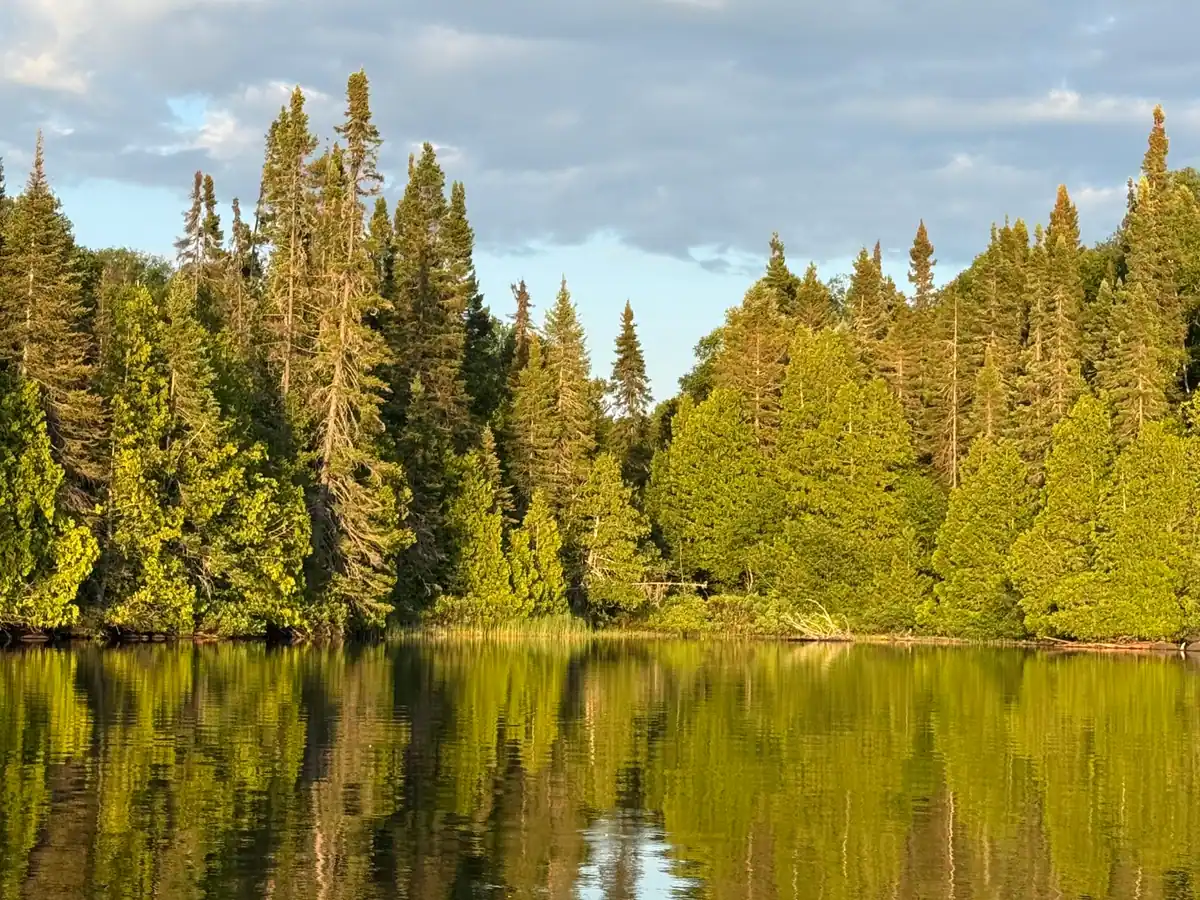
Start from a measured lake, not a postcard. Sunset Lake (VT) currently sits among the cleanest nutrient-and-algae readings in the dataset, with about 36.1 feet of Secchi clarity. Then check five things before you commit: phosphorus and chlorophyll-a, the EPA condition class, water clarity, depth, and the multi-year trend.
The five checks that decide a clean lake
Picking a lake for a cabin rental or a weekend trip comes down to five checks that public agencies already track. Start with the nutrient and algae readings, then the Secchi reading you will actually see, the phosphorus and chlorophyll-a history behind both, depth, and the trend that tells you where the lake is headed.
1. The readings (nutrients and algae)
The EPA condition class is the fastest filter, and it is separate from Secchi clarity. LakeQuality reads phosphorus, nitrogen, chlorophyll-a, and turbidity against EPA National Lakes Assessment ecoregion condition classes. Readings in the Good or favourable classes mean those indicators sit where the EPA expects for that landscape. That is still not a day-of swim clearance. See what EPA condition class actually means and the cleanest-lakes ranking.
2. Water clarity (Secchi depth)
Clarity is what you actually see from the dock. It is measured as Secchi depth — how deep a standard black-and-white disk stays visible — so more feet is better. As a rough guide, above about 15 feet is excellent and you can often see the bottom in swimming areas; under about 6 feet is murky. Clarity correlates with the nutrient readings but is not one of them: tannin-stained bog lakes read low while staying nutrient-poor. Start with the explainer on Secchi depth and the clearest-lakes ranking.
3. Phosphorus and chlorophyll-a
Phosphorus is the nutrient that feeds algae; chlorophyll-a is how much algae is actually in the water. Low phosphorus means a lake cannot grow much algae even in a hot summer. Low chlorophyll-a is the check that most affects your day at the beach. Look at the history, not just one reading — a lake with a pattern of summer blooms will likely bloom again. The mechanism is in why lakes turn green; warning signs are in the algae bloom guide.
4. Depth
Depth buffers a lake against the warm-water conditions that drive algae. Deeper lakes hold a cold lower layer through summer, resist warming, and generally sustain better clarity than shallow lakes of the same nutrient load. Depth is not a guarantee — a deep, nutrient-rich lake can still bloom — but among otherwise similar lakes, the deeper one is the safer pick. The deepest-lakes ranking is a useful cross-reference.
5. The multi-year trend
The trend is what separates a snapshot from a decision. The readings tell you where a lake is now; the trend tells you where it is going. A lake with moderate readings that is steadily improving may outlast a low-nutrient lake that is quietly declining under development or runoff pressure. Read the readings and the trend together — always. See which lakes are gaining ground on the improving-lakes ranking, and read our methodology for how the readings and trends are built.
Great starting points
If you want a shortlist to work from, these carry the lowest overall nutrient and algae readings in our dataset — a strong first cut before you narrow by location and amenities.
| Lake | State | Clarity (ft) |
|---|---|---|
| Sunset Lake | VT | 36.1 |
| Flaming Gorge Reservoir | UT | 31.8 |
| Caspian Lake | VT | 29.5 |
| Clearwater Lake | MN | 29 |
| Shadow Lake | VT | 28.9 |
| Maidstone Lake | VT | 28.5 |
Where to check before you commit
Every figure above lives on the lake’s own page. Open any lake from the cleanest ranking and you will see its clarity, phosphorus, algae, depth, and trend side by side — all drawn from the EPA Water Quality Portal and state sources like the Minnesota DNR LakeFinder. Each lake page also offers a free per-lake summary you can download and take with you. If you are specifically after a cabin lake, the best cabin lakes list is built for exactly this decision.
Run the five checks, weigh the readings against the trend, and you will avoid the most common mistake — booking a beautiful shoreline on a lake that turns green by mid-July.
Frequently Asked Questions
Read the readings and the field measurements together. The EPA condition class is a nutrient-and-algae finding (phosphorus, nitrogen, chlorophyll-a, turbidity) against EPA ecoregion classes. Then check Secchi clarity, depth, and the multi-year trend. A lake that grades well, looks clear, and is holding steady or improving is a safer bet than any one number. Each lake page shows all of it.
Higher is better. Roughly, clarity above about 15 feet is excellent, 10–15 feet is good, and under about 6 feet is murky. Secchi depth is the simplest single indicator of a clean lake because it captures both algae and suspended sediment at once.
Not on its own. Read the readings together with the trend. A lake with moderate readings that is improving may be a better long-term pick than a low-nutrient lake that is declining. The trend is where you see runoff pressure and nutrient loading heading in the wrong direction before the readings catch up.
Open the lake’s page on LakeQuality for its clarity, phosphorus, algae, depth, and trend — all sourced from EPA and state monitoring — and download the free per-lake summary. The cleanest-lakes ranking is a fast way to shortlist by water quality.
/methodology
Related Articles
Choosing a lake? Get our water-quality guides by email
Clean-lake checklists, rankings, and buying guides as we publish. No spam, unsubscribe anytime.