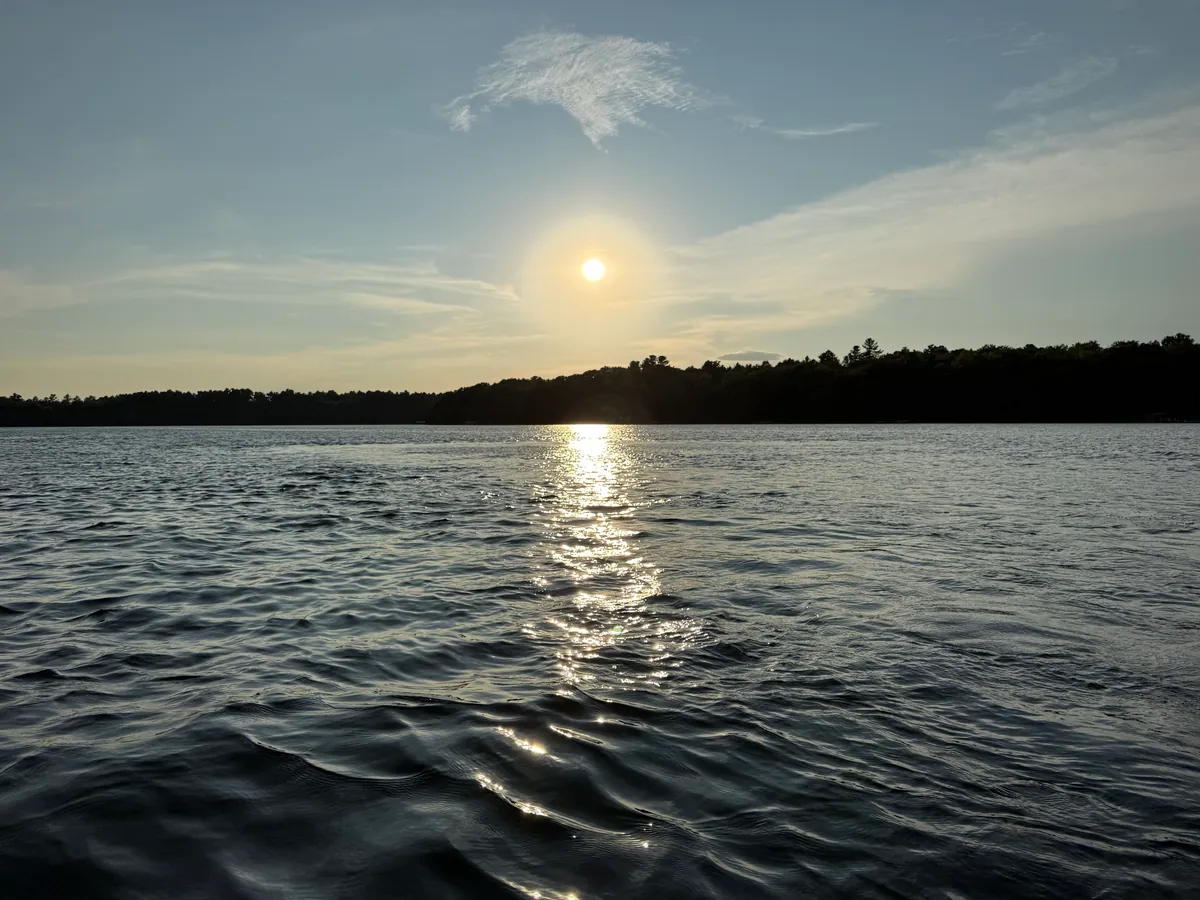
Medium-Depth Lakes (20-50 ft) in Minnesota & Wisconsin
Lakes 20 to 50 feet deep in Minnesota and Wisconsin. Medium depth balances warm and cool water habitat, supporting the widest variety of fish.
Maximum-depth data currently comes from the Minnesota and Wisconsin DNR lake surveys, so these rankings cover MN and WI lakes only. Clarity and nutrient readings for lakes in every other covered state are on each lake page.
- 20–50 ft maximum depth
| Rank | Lake | County | State | Depth | Area | Fish |
|---|---|---|---|---|---|---|
| 1 | Rainy Lake | Cass | MN | 29 ft | 129 acres | 0 |
| 2 | Crane Lake | Otter Tail | MN | 43 ft | 350 acres | 0 |
| 3 | Mud Lake | Becker | MN | 34 ft | 1,178 acres | 16 |
| 4 | Big Lake | Beltrami | MN | 35 ft | 3,598 acres | 17 |
| 5 | Big Lake | Carlton | MN | 25 ft | 526 acres | 9 |
| 6 | Big Lake | Sherburne | MN | 48 ft | 254 acres | 14 |
Frequently Asked Questions
Why are medium-depth lakes popular for fishing?
Medium-depth lakes (20-50 ft) offer the best mix of habitat zones. They are deep enough to maintain a cool-water layer that supports walleye and northern pike, while the shallower areas grow abundant weed beds that attract panfish and bass. This habitat diversity means more fish species and better all-around fishing.
Are medium-depth lakes good for swimming?
Many medium-depth lakes offer excellent swimming conditions. They warm up enough for comfortable summer swimming while maintaining better water quality than very shallow lakes. The depth helps moderate temperature and reduces algae growth compared to lakes under 15 feet deep.
Source: EPA National Aquatic Resource Surveys, 2026.