Published June 23, 2026 · Updated as data refreshes
The Cleanest Lakes in Every State We Track
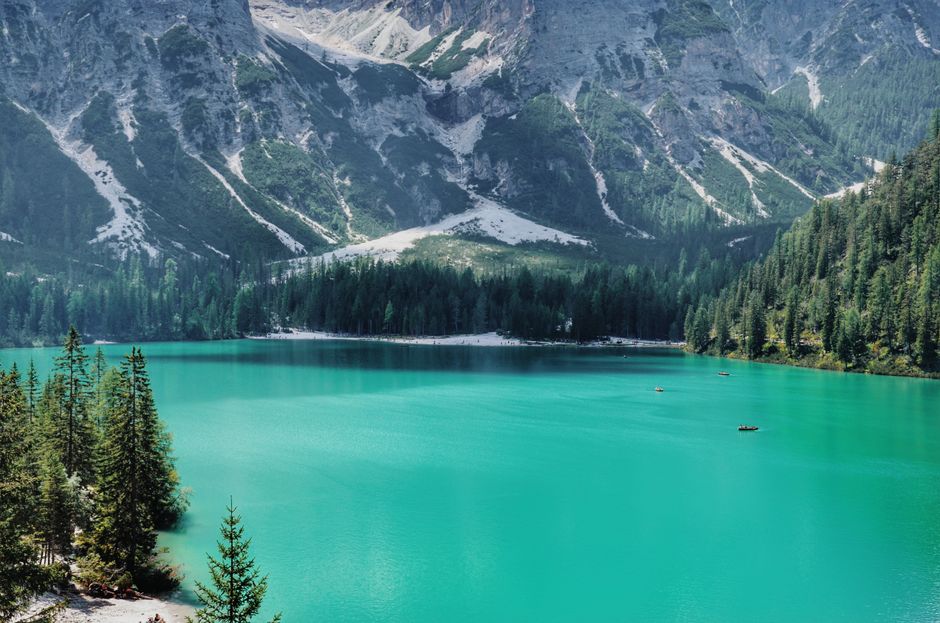
These are the highest-graded lakes in each of the 35 states we cover, picked from EPA Water Quality Portal samples against ecoregion nutrient-and-algae classes. Each state's cleanest water reflects its geology and land use as much as any single lake — deep northern lakes top the list, shallow agricultural ones sit lower.
The cleanest lake in every state
Each row below is the single highest-graded lake in that state, drawn from complete monitoring records. Lakes that cannot clear the evidence bar stay Not Rated and cannot win a state pick. Follow the "see all" link to the full ranking for that state.
Where a state has more than one standout, the runners-up are worth a look too. A few of the closest races:
- Minnesota: Crane Lake (grade A), Lobster Lake (grade A)
- Wisconsin: Big Cedar Lake-South Site-Near West Bend (grade A), Green Lake (grade A)
- Illinois: Kinkaid Lake (grade C), Long Lake (grade F)
- Michigan: Windover Lake South Basin; Freeman Township (grade A), Moon Lake Central Basin; Watersmeet Township (grade A)
- Iowa: Dale Maffitt Reservoir (grade A), Blue Pit Lake (grade A)
- Ohio: Tappan Lake (grade F)
How we pick the clearest water
The pick is grade-first, clarity-second. The letter is an EPA ecoregion nutrient-and-algae score (phosphorus, nitrogen, chlorophyll-a, turbidity). Secchi depth is the tie-breaker and the number a swimmer actually sees; it is not folded into the letter. That is why the leaders tend to be deep, cold lakes with low nutrients — the same conditions that often produce a Secchi reading of 20 feet or more. The complete scoring is on the methodology page.
Why geography decides the winners
Clarity is mostly a function of the land around a lake, not the lake alone. Three factors dominate:
- Geology — sandy and rocky basins release little phosphorus, while nutrient-rich glacial and prairie soils feed algae.
- Depth — deep, cold lakes stratify in summer, keeping nutrients locked below the surface and starving algae of the warm, sunlit water they need.
- Land use — forested and protected watersheds send clean runoff; farmed and developed watersheds send phosphorus.
Put those together and the pattern in the table makes sense: the clearest lakes concentrate in deep, forested, lightly developed country, and the greenest sit in shallow agricultural basins. To compare states head-to-head or find a clear lake near you, browse the portfolio-wide cleanest-lakes ranking or open any state's page above.
Frequently Asked Questions
Each state's pick is the lake with the highest overall nutrient-and-algae grade — phosphorus, nitrogen, chlorophyll-a, and turbidity scored against EPA National Lakes Assessment ecoregion classes. Secchi depth is the tie-breaker and the number a swimmer sees; it is not folded into the letter. Lakes that cannot clear the evidence bar stay Not Rated and cannot win a state pick.
Geology, depth, and land use decide it. Deep, cold lakes in forested northern watersheds hold clarity because little phosphorus reaches them and cold water slows algae. Shallow lakes surrounded by farmland carry heavy nutrient loads and stay greener no matter how well they are managed.
A high grade reflects long-term water quality, not day-of conditions. A clean lake can still have a temporary algae bloom after a warm, calm stretch. Always check your state's beach and algae advisories before swimming, and avoid any water with visible green scum.
Clarity is measured with a Secchi disk — a black-and-white plate lowered until it disappears from view. The depth at which it vanishes, reported here in feet, is a direct proxy for how much algae and sediment are suspended in the water. More feet means clearer water.
/methodology
Related Articles
Find the clearest lakes near you by email
State-by-state water-quality guides and rankings as we publish them. No spam, unsubscribe anytime.