Published March 9, 2026 · Updated August 18, 2026
Best Lakes for Swimming in America, Ranked (2026)
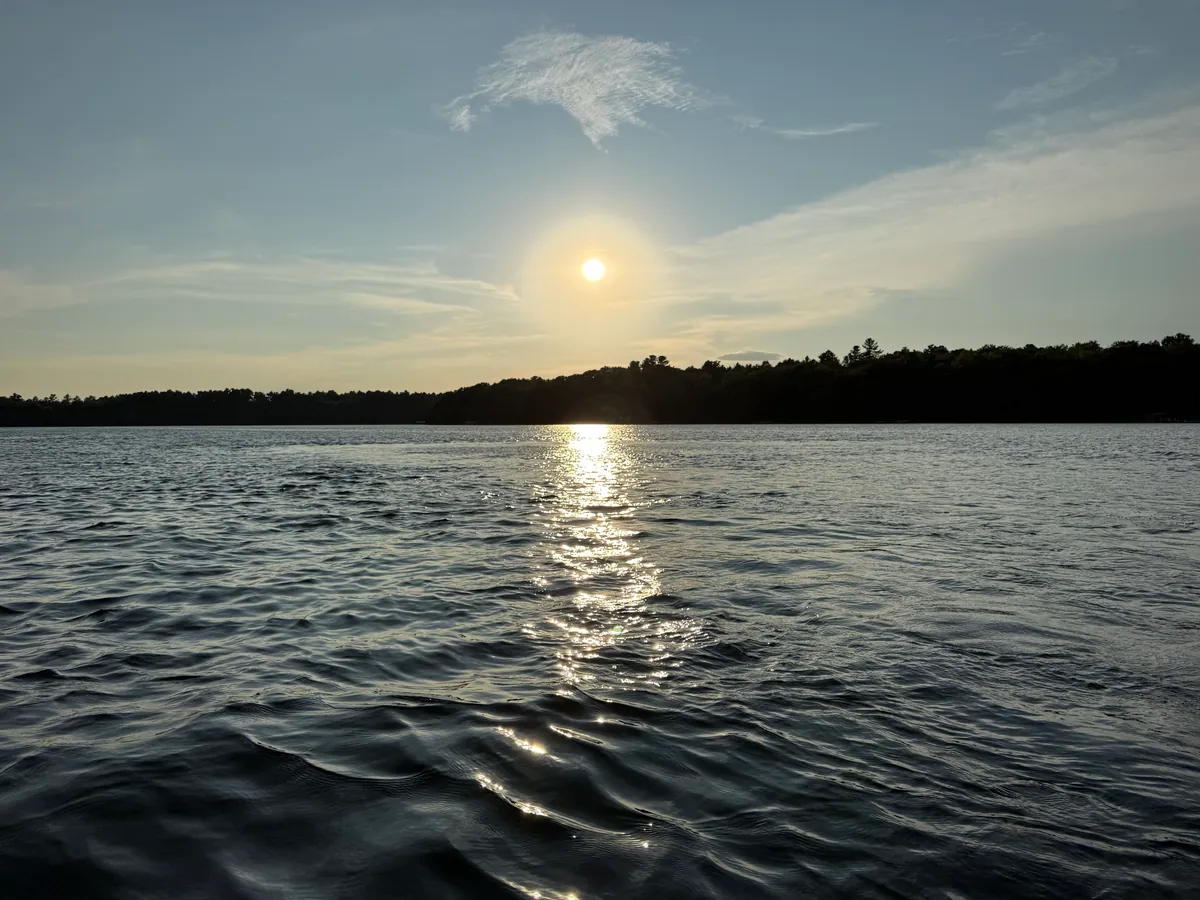
Out of 38,731 monitored lakes across the United States (49 states), Canada (Ontario, Québec, Nova Scotia, British Columbia and Newfoundland and Labrador), and 38 other country hubs., 2,958 currently sit in EPA's favourable condition classes for nutrients and algae. These 15 sit at the top of that list. Consistently low nutrient and algae readings are a reason to put a lake on the trip list. It is not permission to skip the water in front of you.
The 15 cleanest measured lakes
The current leader is Sunset Lake in Rutland County, VT, at about 36.1 feet of Secchi clarity and chlorophyll-a around 1.3 µg/L. Clarity is shown because it is what a swimmer sees. The readings themselves are phosphorus, nitrogen, chlorophyll-a, and turbidity, read against EPA ecoregion reference lakes — see what EPA condition class actually means.
| Rank | Lake | State | County | Clarity (ft) | Area |
|---|---|---|---|---|---|
| 1 | Sunset Lake | VT | Rutland | 36.1 | - |
| 2 | Flaming Gorge Reservoir | UT | Daggett | 31.8 | - |
| 3 | Caspian Lake | VT | Orleans | 29.5 | 789 acres |
| 4 | Clearwater Lake | MN | Cook | 29 | 462 acres |
| 5 | Shadow Lake | VT | Orleans | 28.9 | 199 acres |
| 6 | Maidstone Lake | VT | Essex | 28.5 | 800 acres |
| 7 | Lake Willoughby | VT | Orleans | 28.2 | - |
| 8 | Holland Lake | MN | Dakota | 27.9 | 38 acres |
| 9 | Kerbs Lake | MN | Otter Tail | 27.7 | - |
| 10 | Little Mcdonald Lake | MN | Otter Tail | 26.5 | 1,316 acres |
| 11 | Lake Elligo | VT | Orleans | 26.2 | - |
| 12 | Coles Run Reservoir | VA | Augusta | 25.8 | 5 acres |
| 13 | Forest Lake | VT | Washington | 25.6 | - |
| 14 | Bad Medicine Lake | MN | Becker | 25 | 803 acres |
| 15 | Serpent Lake | MN | Crow Wing | 25 | 1,116 acres |
For the always-current table, open the best swimming lakes hub and the cleanest-lakes ranking. A seasonal cut of the same list is in Summer 2026: The Cleanest Lakes to Swim Right Now.
What a low nutrient reading is good for — and what it is not
The lakes with the lowest nutrient and algae readings tend to share a few physical facts: deeper basins that stratify in summer, watersheds that are more forest than feedlot, and chlorophyll-a low enough that the water does not look like soup. Those are useful for picking a cabin weekend. They are silent about the two things that actually close a beach: fecal bacteria after a storm, and a cyanobacteria bloom on a hot still week.
The CDC harmful algal bloom pages and the EPA CyanoHABs program are the day-of authorities. Dogs are especially vulnerable to cyanotoxins; if the water looks wrong, they stay on the sand. The practical checklist is in Is It Safe to Swim? and the swimming safety guide.
One more caveat, because the ATTAINS overlap is large enough to matter: 51.5% of the cleanest lakes in the matched set still appear on a state 303(d) list. The listing is usually mercury in fish, PFAS, or pathogens — none of which the nutrient and algae readings measure. Clean readings are compatible with a fish-consumption advisory. Read both.
How to use this list on a real trip
- Start here or on the swimming hub to shortlist lakes, not to declare a beach open.
- Open the lake page for the readings, the impairment panel, and the current algae context.
- Check the state health department beach program the morning you go — Minnesota's beach monitoring page is one example; every health department in coverage runs a counterpart.
- Stay out of green scum, and keep pets out too. That rule outranks any reading on this site.
Frequently Asked Questions
Among 5,873 measured lakes across the United States (49 states), Canada (Ontario, Québec, Nova Scotia, British Columbia and Newfoundland and Labrador), and 38 other country hubs., the current leader is Sunset Lake in VT. The 15 lakes in the table hold the cleanest combined nutrient-and-algae readings on record. Our cleanest-lakes ranking and our best lakes for swimming page both update as new samples arrive.
No. These are long-term nutrient and algae measurements, not a beach clearance. It is blind to E. coli and to cyanotoxins on a given afternoon. Cross-checked against EPA ATTAINS, 51.5% of the lakes with the cleanest nutrient and algae readings still carry a Clean Water Act impairment listing. Check current beach and algae advisories before you get in.
It is the same ranking as the cleanest-lakes table: EPA Water Quality Portal samples compared with National Lakes Assessment ecoregion condition classes for phosphorus, nitrogen, chlorophyll-a, and turbidity. Secchi clarity is shown because it is what you see from the beach; it is measured separately.
Look at the water. Stay out of anything that looks like spilled paint, pea soup, or a green surface scum. Skip swimming for a day or two after heavy rain. Check your state health department’s current beach and harmful-algal-bloom advisories — and keep dogs out of scummy water.
No. Higher nutrient and algae readings mean the lake is nutrient-rich and algae-prone for its ecoregion, not that the trip is off. Check local advisories before swimming, and skip the water if you see scum. Cabins and rentals around those lakes are still listed on each lake page.
/methodology
Related Articles
Get more lake water-quality guides by email
New swimming-safety and clarity guides as we publish. No spam, unsubscribe anytime.