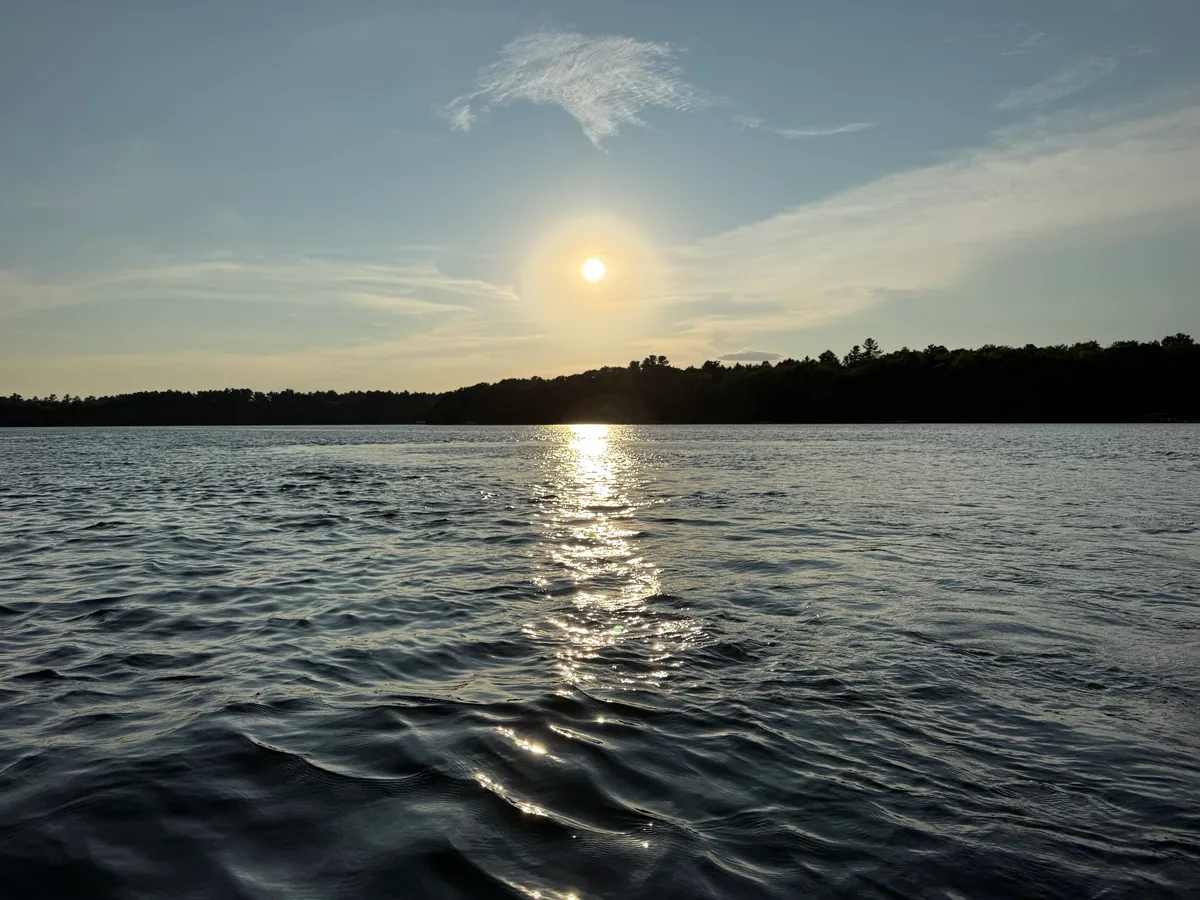
Oligotrophic Lakes in Vermont
26 oligotrophic lakes in Vermont. Low nutrients, clear water, excellent for swimming.
An oligotrophic lake is what most people picture when they think of pristine northern lake country: clarity to depth, no algal scum, cold water that holds dissolved oxygen all the way to the bottom even in August. Across Vermont, 26 lakes register as oligotrophic — 0% of them break 50 feet of depth, which is the structural condition that underwrites the trophic class. Without depth and a low-nutrient watershed, oligotrophy is hard to sustain.
Oligotrophic lakes almost always carry the lowest phosphorus and chlorophyll-a readings on record, since the same low-nutrient conditions produce both the trophic class and the clear water.
| # | Lake | County | Clarity | Depth | TSI |
|---|---|---|---|---|---|
| 1 | Berlin Pond | Washington | 21.7 ft | - | 32 |
| 2 | Caspian Lake | Orleans | 29.5 ft | - | 32 |
| 3 | Harveys Lake | Caledonia | 21 ft | - | 34 |
| 4 | Maidstone Lake | Essex | 28.5 ft | - | 32 |
| 5 | Seymour Lake | Orleans | 24.6 ft | - | 33 |
| 6 | Lowell Lake | Windham | 13.5 ft | - | 37 |
| 7 | Echo Lake | Orleans | 23 ft | - | 34 |
| 8 | Echo Lake | Windsor | 13.9 ft | - | 36 |
| 9 | Echo Lake | Rutland | 24.3 ft | - | 34 |
| 10 | Little Averill Pond | Essex | 19.4 ft | - | 34 |
| 11 | Lake Willoughby | Orleans | 28.2 ft | - | 33 |
| 12 | Sunset Lake | Rutland | 36.1 ft | - | 31 |
| 13 | Newark Pond | Caledonia | 20.4 ft | - | 36 |
| 14 | Shadow Lake | Orleans | 28.9 ft | - | 32 |
| 15 | Shadow Lake | Essex | 16.4 ft | - | 35 |
| 16 | Lake Bomoseen | Rutland | 23.6 ft | - | 34 |
| 17 | Forest Lake | Washington | 25.6 ft | - | 32 |
| 18 | Silver Lake | Addison | 8.2 ft | - | 37 |
| 19 | Great Averill Pond | Essex | 14.3 ft | - | 35 |
| 20 | Lake Elligo | Orleans | 26.2 ft | - | 31 |
| 21 | Green River Reservoir | Lamoille | 13.1 ft | - | 36 |
| 22 | Amherst Lake | Windsor | 15.4 ft | - | 35 |
| 23 | Lake Paran | Bennington | - | - | 40 |
| 24 | Sunset Lake | Windham | 17.9 ft | - | 36 |
| 25 | Reservoir Pond | Windsor | 14.7 ft | - | 32 |
| 26 | Lewis Pond | Essex | - | - | 38 |
Source: EPA National Aquatic Resource Surveys, 2026.