Published August 20, 2026
Cleanest Small Lakes in America 2026
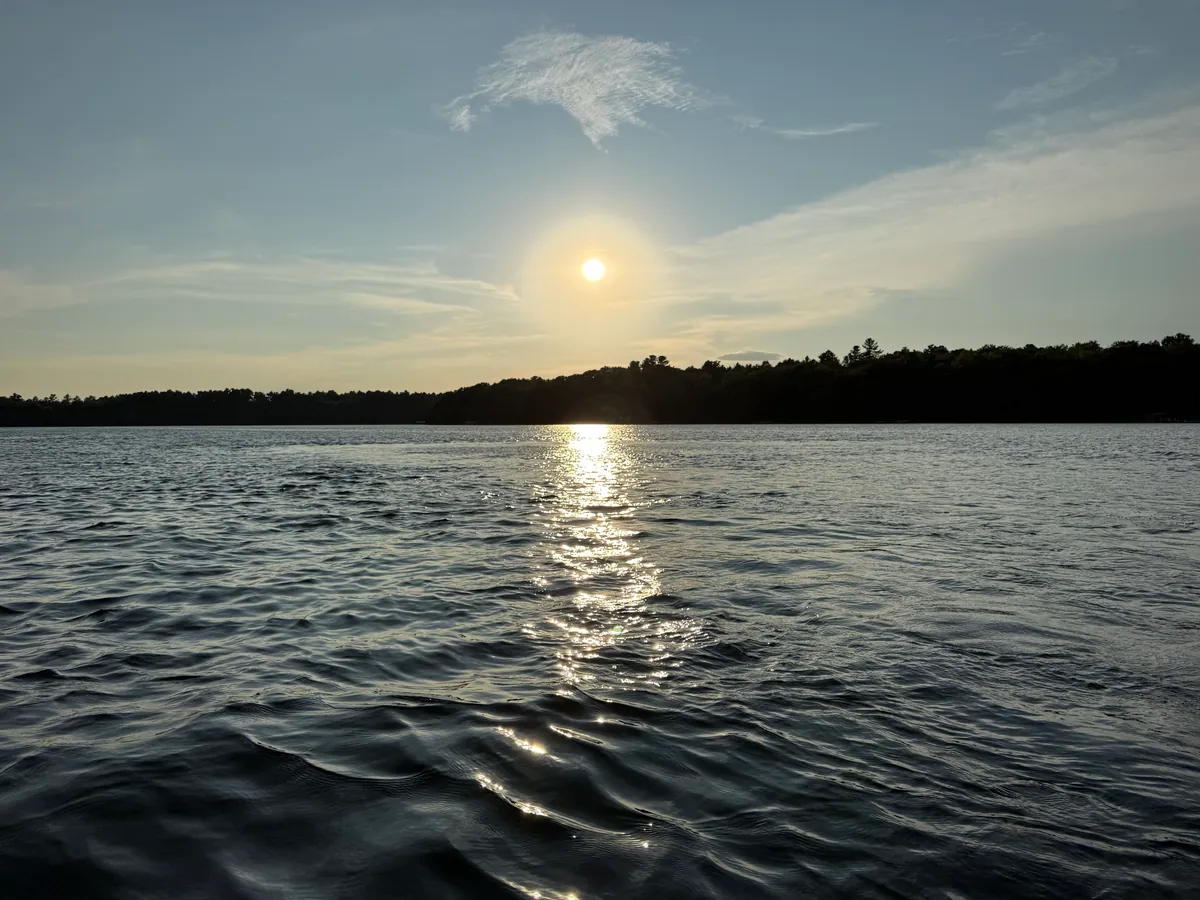
The cleanest small lake in the U.S. monitoring record is Clearwater Lake in Cook County, MN — 462 acres, with 29 feet of clarity. It is one of 1,349 lakes under 500 acres with a complete set of nutrient and algae readings.
Driving the news
- Cleanest of the 1,349 measured U.S. lakes under 500 acres:Clearwater Lake (MN), 462 acres.
- 334 of those small lakes earn a low nutrient reading, spread across 27 states.
- The 15 lakes below run from 5 to 463 acres — small enough that most can be paddled end to end in a morning.
What counts as a small lake here
A lake makes this list if its published surface area is under 500 acres — about three-quarters of a square mile — and it has a complete set of nutrient and algae readings rather than a partial one. 1,349 lakes currently meet both conditions across the United States (49 states), Canada (Ontario, Québec, Nova Scotia, British Columbia and Newfoundland and Labrador), and 38 other country hubs. we measure.
The size cutoff applies to the lake, not to the sample. That distinction matters when comparing small-lake lists: a large, shallow reservoir can be sampled in shallow water and still be a large reservoir. Lakes with no published acreage are left out entirely, because unknown size cannot be assumed to be small. Those lakes still have their own pages with every measurement we hold; they simply cannot be ranked by an area they do not publish.
The 10 cleanest small lakes, named
In order: Clearwater Lake (MN, 462 acres), Shadow Lake (VT, 199 acres), Holland Lake (MN, 38 acres), Coles Run Reservoir (VA, 5 acres), Turtle Lake (MN, 196 acres), Berlin Pond (VT, 256 acres), Lake Fairlee (VT, 463 acres), Lake Mirror (VT, 86 acres), Six Lake (MN, 197 acres), and Harveys Lake (VT, 409 acres).
The 15 cleanest U.S. lakes under 500 acres
Lakes are ranked on their nutrient and algae readings first, then Secchi depth, then lower phosphorus. Area is published acres. These are not swimming clearances.
| Rank | Lake | State | Acres | Clarity (ft) | Phosphorus (µg/L) |
|---|---|---|---|---|---|
| 1 | Clearwater Lake | MN | 462 | 29 | 4 |
| 2 | Shadow Lake | VT | 199 | 28.9 | 8 |
| 3 | Holland Lake | MN | 38 | 27.9 | 14 |
| 4 | Coles Run Reservoir | VA | 5 | 25.8 | 5 |
| 5 | Turtle Lake | MN | 196 | 23 | 8 |
| 6 | Berlin Pond | VT | 256 | 21.7 | 7 |
| 7 | Lake Fairlee | VT | 463 | 21.7 | 14 |
| 8 | Lake Mirror | VT | 86 | 21.3 | 11 |
| 9 | Six Lake | MN | 197 | 21 | 7 |
| 10 | Harveys Lake | VT | 409 | 21 | 8 |
| 11 | Swenson Lake | MN | 412 | 20.7 | 8 |
| 12 | Mayhew Lake | MN | 221 | 20.6 | 5 |
| 13 | Long Lake | MN | 159 | 20.5 | 7 |
| 14 | Gilmore Lake | MN | 93 | 20.3 | 10 |
| 15 | Little Sand Lake | MN | 410 | 20 | 7 |
Why small lakes often read clean
Almost every lake near the top of this table has the same story behind it: a small basin in a forested or lightly developed watershed. Phosphorus is what drives algae, and phosphorus arrives from the land — fertilized lawns and fields, failing septic systems, stormwater, and eroded soil. A lake whose watershed is mostly trees receives very little of it, so algae stays low and clarity stays high.
Depth reinforces the effect. A small lake that is also deep relative to its surface area holds a cold lower layer through summer, which keeps nutrients in the sediment out of the sunlit water where algae grows. Many of the clearest small lakes in the northern states are groundwater-fed kettle lakes shaped exactly this way.
Small is not automatically clean, though. The same nutrient load spread through a small, shallow basin produces a much stronger bloom than it would in a deep reservoir, which is why the smallest lakes also fill out the bottom of the national nutrient and algae readings. Farm-country ponds and shallow urban lakes are frequently the murkiest water in their county. What separates them from the lakes below is the land around them, not the acreage.
How to use a small-lake list
These are good candidates for a quiet cabin weekend or a paddling trip, and many are small enough that a single public access point is the whole shoreline you will use. Pair the table with the national cleanest-lakes ranking for lakes of any size, the clarity ranking if visibility matters most to you, and current algae advisories before you swim. A small lake with clear, low-nutrient readings can still close a beach after a hot, calm week.
These 15 rows come out of 38,731 lakes in the index. If the lake you are curious about is not here, it is worth looking it up directly: a small lake can be well measured and still be too little known to headline a ranking.
Frequently Asked Questions
A lake with a published surface area under 500 acres, a complete (not limited-data) U.S. nutrient and algae readings, and a name clear enough to identify in a ranking table. For scale, 500 acres is roughly three-quarters of a square mile — a lake you can paddle across in an afternoon.
Often, but not because of size itself. A small lake in a forested or lightly developed watershed receives little phosphorus, so algae stays low and clarity stays high. A small lake surrounded by cropland or lawns can be the murkiest water in the county, because the same nutrient load is spread through far less water. Size is a shortcut for watershed, and the watershed is what the readings really reflect.
Two common reasons. Some lakes have no published surface area in the public record, so they cannot be filtered by size even when their readings are clean — missing acreage is treated as unknown, not as small. Others do not have enough recent nutrient and algae sampling for a complete grade. Both still have their own lake page with whatever measurements exist; they just cannot be ranked here.
No. These are nutrient and algae measurements against an ecoregion class over a typical summer. It is not E. coli, not a same-day HAB clearance, and not a depth-safety rating. Check posted beach and algae advisories the day you go.
/methodology
Related Articles
Get small-lake ranking updates
New size-filtered water-quality reports as we publish. No spam, unsubscribe anytime.