Published August 15, 2026
Clearest Lakes in America 2026: Ranked by Secchi Clarity
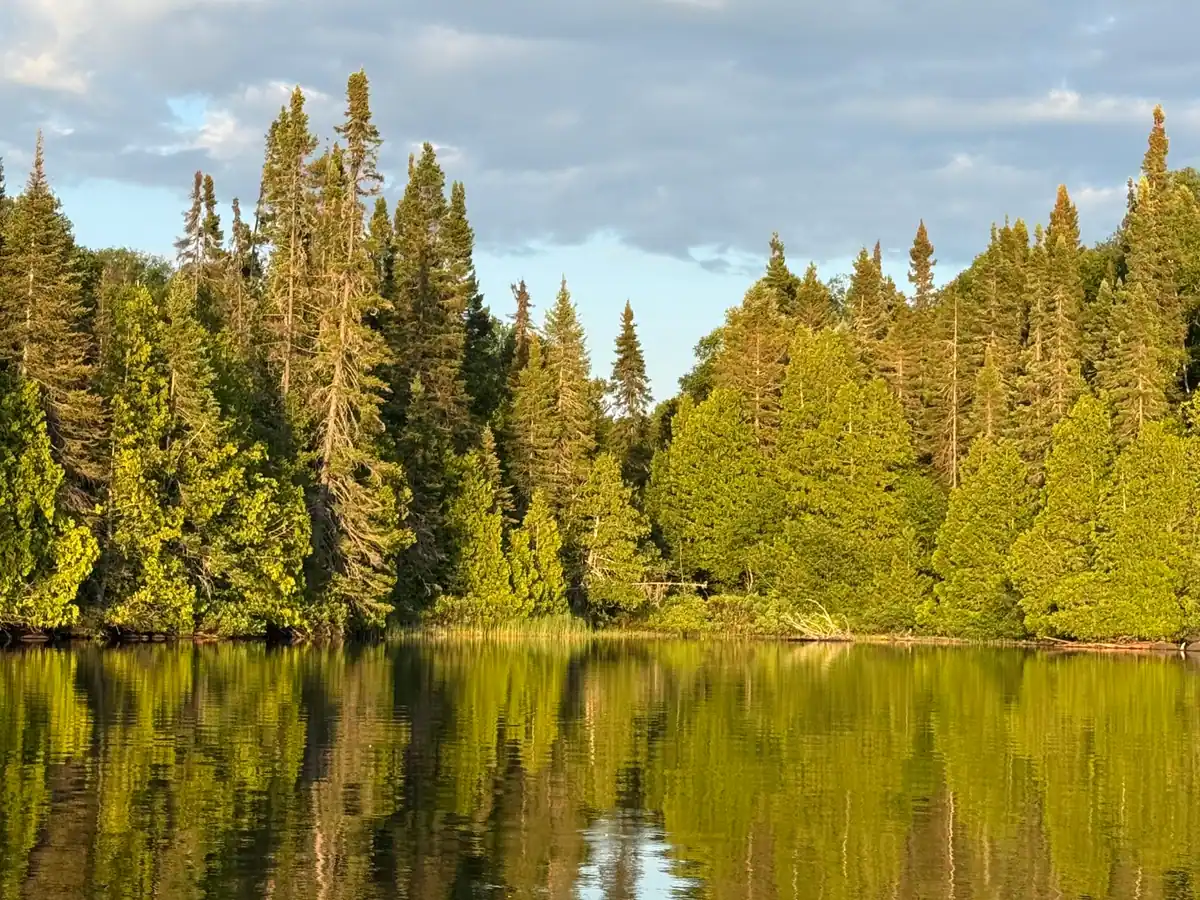
4,981 measured lakes across the United States (49 states), Canada (Ontario, Québec, Nova Scotia, British Columbia and Newfoundland and Labrador), and 38 other country hubs. carry a Secchi clarity reading. 122 of them clear 20 feet or more. These are the 20 clearest among fully measured lakes, ranked on how deep a Secchi disk stays visible.
The 20 clearest measured lakes by Secchi depth
Fremont Lake leads at 42.8 feet of Secchi clarity. The top twenty average 32.2 feet of visibility — the kind of water where a kayak paddle looks painted underwater. Lakes with a Secchi reading but no nutrient or algae reading are excluded here so every row carries both clarity and nutrient and algae readings.
| Rank | Lake | State | Clarity (ft) | Area |
|---|---|---|---|---|
| 1 | Fremont Lake | WY | 42.8 | 5,400 acres |
| 2 | Crescent Lake | OR | 42.2 | 4,008 acres |
| 3 | Lake Desmet Lpd | WY | 39.1 | - |
| 4 | Sunset Lake | VT | 36.1 | - |
| 5 | Flaming Gorge Reservoir | UT | 31.8 | - |
| 6 | Hunter Lake | MN | 31 | 182 acres |
| 7 | Spiritwood Lake | ND | 31 | - |
| 8 | Caspian Lake | VT | 29.5 | 789 acres |
| 9 | Clearwater Lake | MN | 29 | 462 acres |
| 10 | Black Oak Lake | WI | 29 | 564 acres |
| 11 | Shadow Lake | VT | 28.9 | 199 acres |
| 12 | Rampart Reservoir | CO | 28.5 | 300 acres |
| 13 | Maidstone Lake | VT | 28.5 | 800 acres |
| 14 | Lake Willoughby | VT | 28.2 | - |
| 15 | Holland Lake | MN | 27.9 | 38 acres |
The clearest-lakes ranking holds the current table and updates as new readings are published. For the single clearest lake in every county we track, see The Clearest Lake in Every County.
What “clear” actually measures
Secchi depth is a transparency test, not a toxicity test. Clear water usually means low algae and low suspended sediment, which is why clarity correlates strongly with low nutrient and algae readings. But tannin-stained lakes in forested watersheds can look tea-colored while still scoring well on phosphorus and chlorophyll-a, and a recently wind-stirred shallow lake can temporarily lose feet of clarity without a nutrient problem. That is why LakeQuality publishes both a clearest ranking and a cleanest lakes ranking.
- 1,306 lakes in the dataset clear at least 10 feet — a practical threshold for comfortable swimming visibility.
- 122 lakes clear 20 feet or more — deep enough to see the bottom in most swimming areas.
- The readings still matter: a clear lake with rising phosphorus is an early warning, not a forever passport.
Where are Tahoe and Crater Lake?
Tahoe, Crater, Lake George, and Chelan are genuinely among the clearest water in the country, and their famous clarity records are real. This ranking asks a narrower question: among lakes with a recent Secchi reading in the public monitoring record, which read deepest? A lake needs current sampling to appear, and the famous ones are often measured on a research schedule rather than a routine state one. The result leans toward quieter lakes in forested watersheds that get sampled every summer — less well known, but measured recently.
For the science of the measurement itself, read Water Clarity Explained. For how clarity feeds the EPA condition class, see Lake Water Quality Explained.
Frequently Asked Questions
Among measured lakes with clarity measurements, Fremont Lake in WY currently leads at about 42.8 feet of visibility. Some famous alpine lakes are clearer still but are monitored by programs outside the records this ranking draws on, so read this as the clearest water in the public monitoring data.
No. Clarity is measured separately from phosphorus, nitrogen and chlorophyll-a, and EPA assigns it no condition class. A lake can be very clear yet still carry elevated phosphorus, or look murky from tannins without high algae. Cleanest ranks the combined nutrient and algae readings; clearest ranks Secchi depth alone.
A black-and-white disk is lowered into the water until it disappears from view. That depth, reported in feet here, is the Secchi reading — a standard field measure of water transparency used by state agencies and the EPA Water Quality Portal.
Those lakes are extraordinarily clear and closely monitored, often by park or university programs whose readings are published separately from the state and federal records this ranking draws on. A famous lake missing from the table is a gap in the data we cover, not a claim that its water is murky.
/methodology
Related Articles
Get clarity and swim roundups by email
New clearest-lake lists and water-quality explainers as we publish. No spam, unsubscribe anytime.