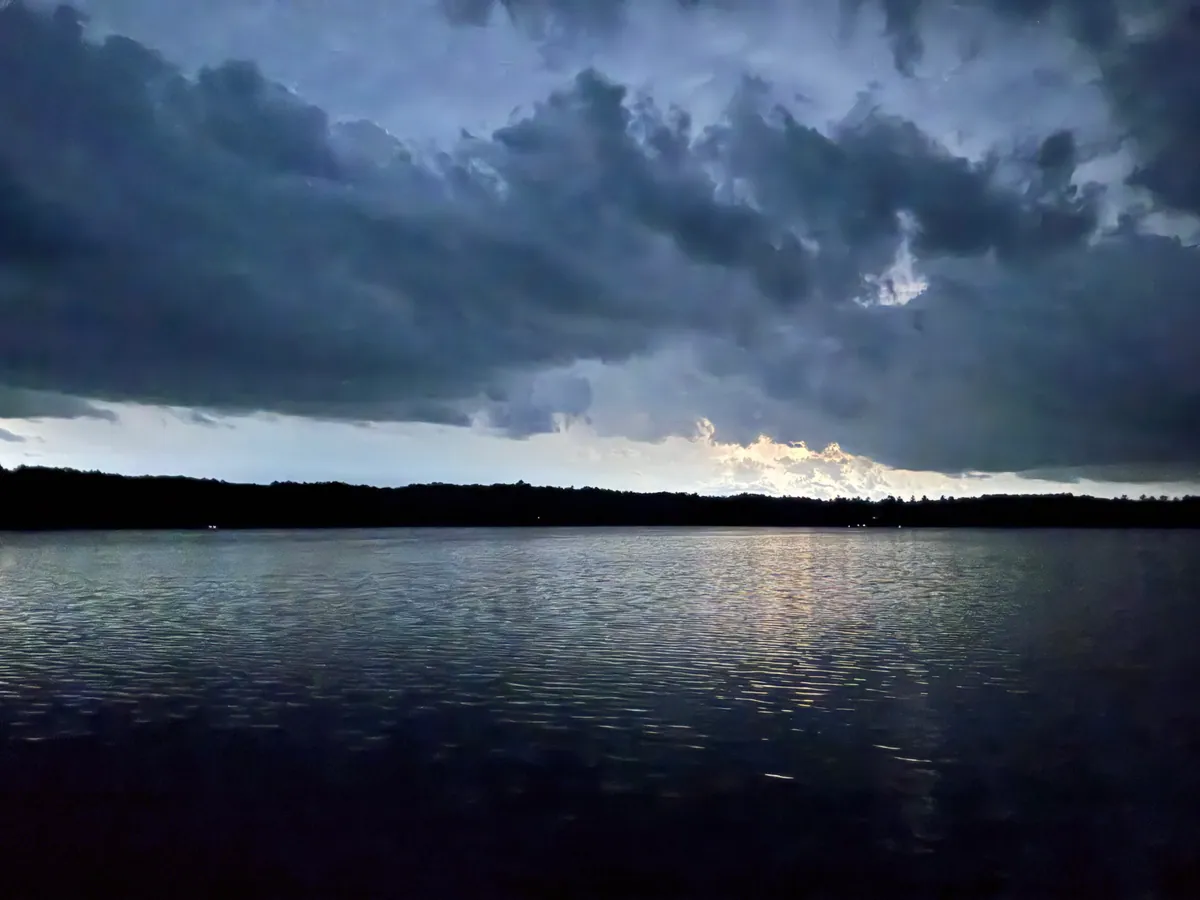
Eutrophic Lakes in Nevada
9 eutrophic lakes in Nevada. High nutrients, frequent algae, reduced clarity.
Eutrophic lakes — TSI 50 to 70 — are nutrient-rich and productive, with persistent summer algal communities that drive visible reductions in clarity. These conditions are not failures; they reflect a lake doing what nutrient-loaded waters do. 9 Nevada lakes register as eutrophic. Only 0% are deep — eutrophy correlates with shallowness, agricultural watersheds, and the kind of nutrient-input history that takes decades to shift.
Eutrophic lakes typically carry higher phosphorus and chlorophyll-a readings. The same nutrient richness that defines the trophic class shows up in those numbers.
| # | Lake | County | Clarity | Depth | TSI |
|---|---|---|---|---|---|
| 1 | Boulder Reservoir | Washoe | - | - | 61 |
| 2 | Onion Valley Reservoir @ Dam | Humboldt | - | - | 53 |
| 3 | Squaw Creek Reservoir | Washoe | - | - | 63 |
| 4 | Spooner Lake | Douglas | - | - | 62 |
| 5 | Walker Lake | Mineral | 4.7 ft | - | 69 |
| 6 | Sheep Creek Lake | Elko | 6.2 ft | - | 59 |
| 7 | Billy Shaw Lake | Elko | - | - | 56 |
| 8 | Mountain View Lake | Elko | - | - | 58 |
| 9 | Bilk Creek Reservoir | Humboldt | - | - | 51 |
All eutrophic lakes →Minnesota version →Wisconsin version →Illinois version →Michigan version →Iowa version →Ohio version →Pennsylvania version →New York version →Missouri version →Indiana version →North Dakota version →South Dakota version →Florida version →Colorado version →North Carolina version →Vermont version →Texas version →Oregon version →Arkansas version →Oklahoma version →Kansas version →Nebraska version →Arizona version →Idaho version →Montana version →New Mexico version →Tennessee version →Alabama version →Virginia version →Kentucky version →Utah version →Washington version →Wyoming version →Georgia version →Massachusetts version →Ontario version →Québec version →Nova Scotia version →British Columbia version →Newfoundland and Labrador version →All Nevada lakes →
Source: EPA National Aquatic Resource Surveys, 2026.