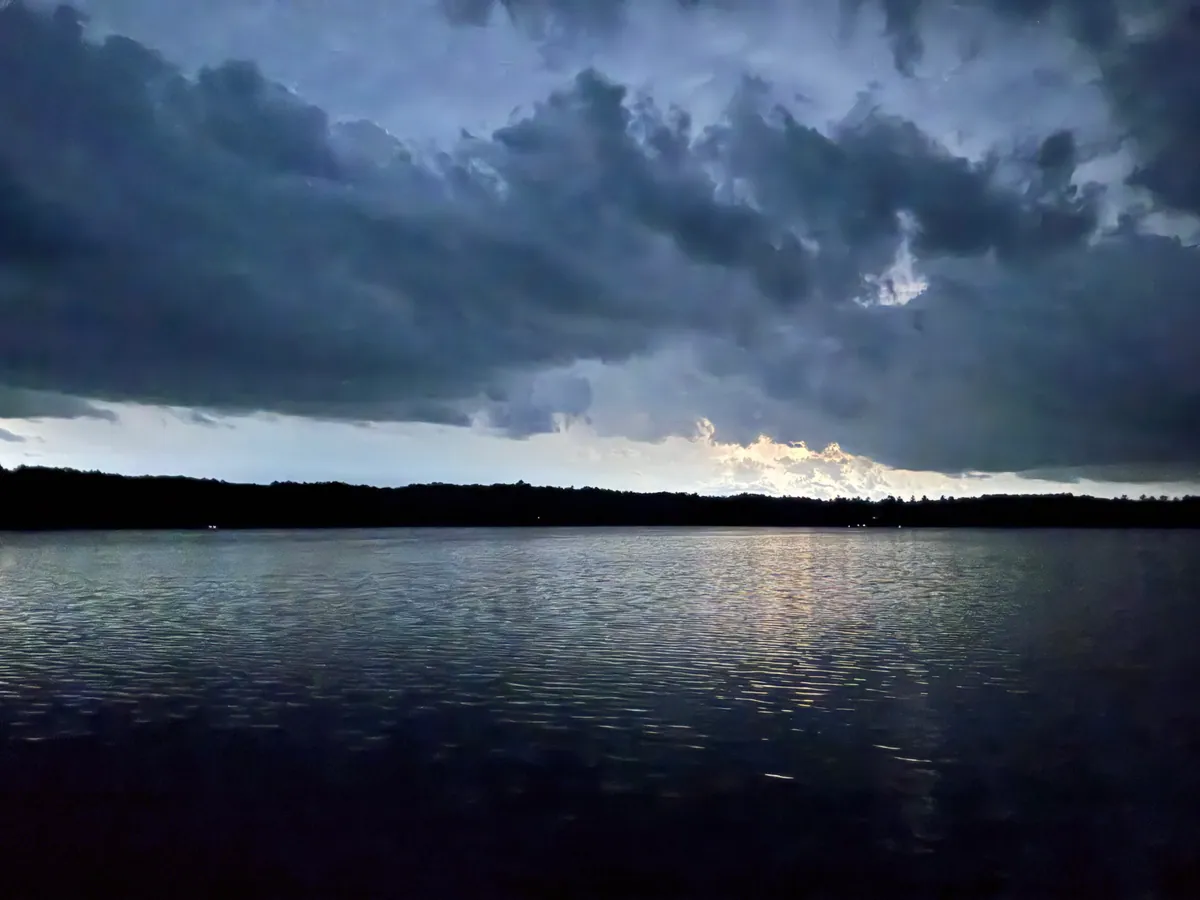
Eutrophic Lakes in Massachusetts
26 eutrophic lakes in Massachusetts. High nutrients, frequent algae, reduced clarity.
A eutrophic lake is a productive ecosystem with the trade-offs that come with productivity: more food at the base of the food web, more clarity reduction by mid-summer, more dissolved-oxygen variability near the bottom. 26 Massachusetts lakes register as eutrophic. Only 0% are deep — eutrophy correlates with shallowness, agricultural watersheds, and the kind of nutrient-input history that takes decades to shift.
Eutrophic lakes typically carry higher phosphorus and chlorophyll-a readings. The same nutrient richness that defines the trophic class shows up in those numbers.
| # | Lake | County | Clarity | Depth | TSI |
|---|---|---|---|---|---|
| 1 | Mashpee Pond | Barnstable | - | - | 52 |
| 2 | Stillwater Pond | Barnstable | - | - | 52 |
| 3 | Williams Pond | Barnstable | - | - | 54 |
| 4 | Fresh Pond | Plymouth | - | - | 52 |
| 5 | Windsor Lake | Berkshire | - | - | 50 |
| 6 | Cambridge Reservoir | Middlesex | - | - | 50 |
| 7 | Hinckleys Pond | Barnstable | - | - | 58 |
| 8 | Coonamessett Pond | Barnstable | - | - | 58 |
| 9 | Halfway Pond | Plymouth | - | - | 59 |
| 10 | Watson Pond | Bristol | - | - | 50 |
| 11 | Monponsett Pond | Plymouth | - | - | 56 |
| 12 | Congamond Lakes | Hartford | - | - | 60 |
| 13 | Lower Spectacle Pond | Berkshire | - | - | 56 |
| 14 | Pequot Pond | Hampden | - | - | 63 |
| 15 | Muddy Brook Lake | Worcester | - | - | 56 |
| 16 | Robbins Pond | Worcester | - | - | 59 |
| 17 | Stodge Meadow Pond | Worcester | - | - | 52 |
| 18 | Stiles Pond | Essex | - | - | 55 |
| 19 | Little Chauncy Pond | Worcester | - | - | 64 |
| 20 | Upper Artichoke Reservoir | Essex | - | - | 64 |
| 21 | Heart Pond | Middlesex | - | - | 57 |
| 22 | Boons Pond | Middlesex | - | - | 53 |
| 23 | Cleveland Pond | Plymouth | - | - | 58 |
| 24 | Ten Mile River Lake | Bristol | - | - | 60 |
| 25 | Ames Long Pond | Bristol | - | - | 52 |
| 26 | Horn Pond | Middlesex | - | - | 56 |
All eutrophic lakes →Minnesota version →Wisconsin version →Illinois version →Michigan version →Iowa version →Ohio version →Pennsylvania version →New York version →Missouri version →Indiana version →North Dakota version →South Dakota version →Florida version →Colorado version →North Carolina version →Vermont version →Texas version →Oregon version →Arkansas version →Oklahoma version →Kansas version →Nebraska version →Nevada version →Arizona version →Idaho version →Montana version →New Mexico version →Tennessee version →Alabama version →Virginia version →Kentucky version →Utah version →Washington version →Wyoming version →Georgia version →Ontario version →Québec version →Nova Scotia version →British Columbia version →Newfoundland and Labrador version →All Massachusetts lakes →
Source: EPA National Aquatic Resource Surveys, 2026.