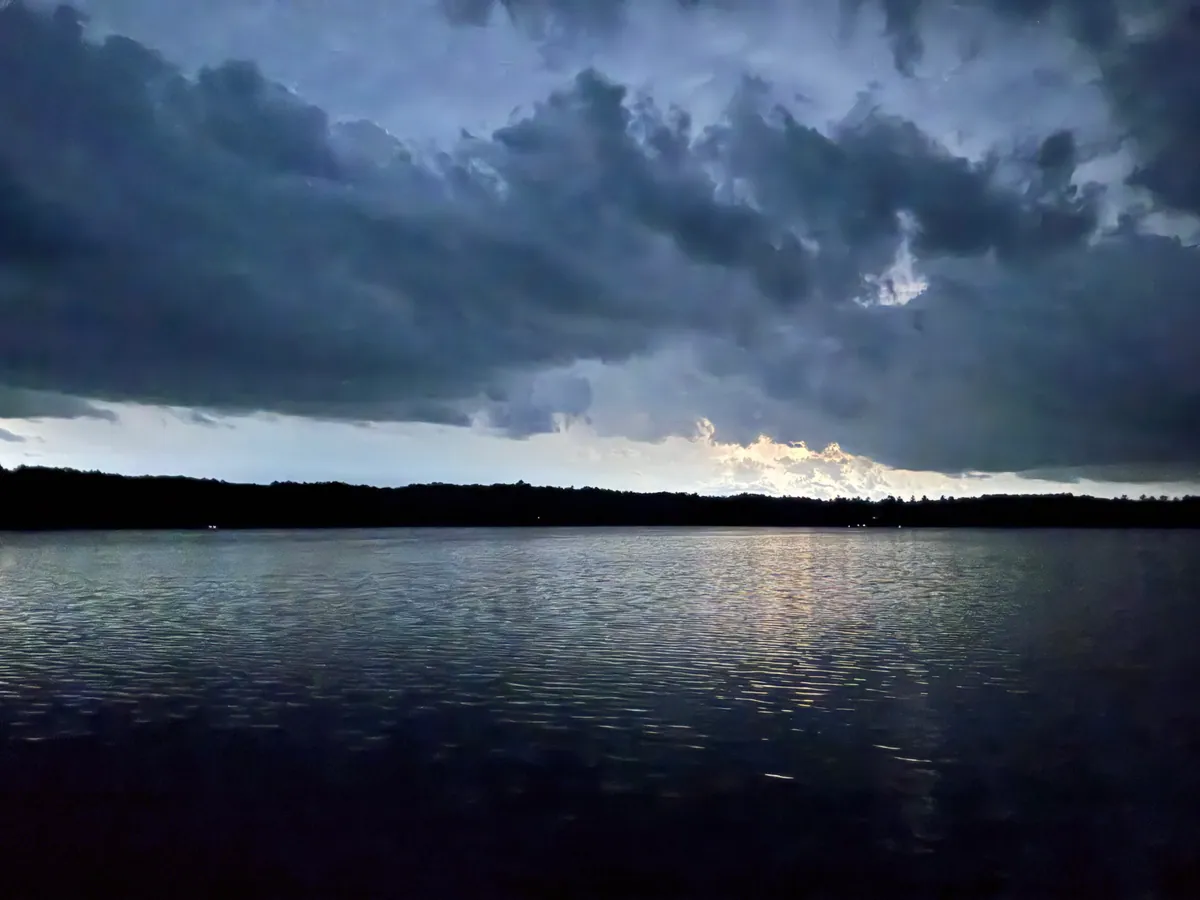
Hypereutrophic Lakes in Tennessee
4 hypereutrophic lakes in Tennessee. Very high nutrients, dense algae, poor clarity.
Hypereutrophic lakes (TSI above 70) are at the upper end of the productivity scale: visible algal blooms most weeks of summer, clarity often under 3 feet, and meaningful risk of harmful-algal-bloom toxin events. 4 hypereutrophic lakes are on the Tennessee books. Almost none of them are deep — 0% break 50 feet. Shallow basin plus heavy nutrient input is the consistent recipe.
Hypereutrophic lakes carry the highest phosphorus and chlorophyll-a readings on record; the trophic class and the readings are measuring closely related dimensions of the same underlying nutrient regime.
| # | Lake | County | Clarity | Depth | TSI |
|---|---|---|---|---|---|
| 1 | Duck River Lake | Humphreys | - | - | 81 |
| 2 | Reelfoot Lake Blue Basin | Lake | - | - | 83 |
| 3 | Reelfoot Lake Upper Blue Basin | Obion | - | - | 85 |
| 4 | Reelfoot Lake-Reelfoot Creek Embayment | Obion | - | - | 80 |
All hypereutrophic lakes →Minnesota version →Wisconsin version →Illinois version →Michigan version →Iowa version →Ohio version →Pennsylvania version →New York version →Missouri version →Indiana version →North Dakota version →South Dakota version →Florida version →Colorado version →North Carolina version →Vermont version →Texas version →Oregon version →Arkansas version →Oklahoma version →Kansas version →Nebraska version →Nevada version →Arizona version →Idaho version →Montana version →New Mexico version →Alabama version →Virginia version →Kentucky version →Utah version →Washington version →Wyoming version →Georgia version →Massachusetts version →Ontario version →Québec version →Nova Scotia version →British Columbia version →Newfoundland and Labrador version →All Tennessee lakes →
Source: EPA National Aquatic Resource Surveys, 2026.