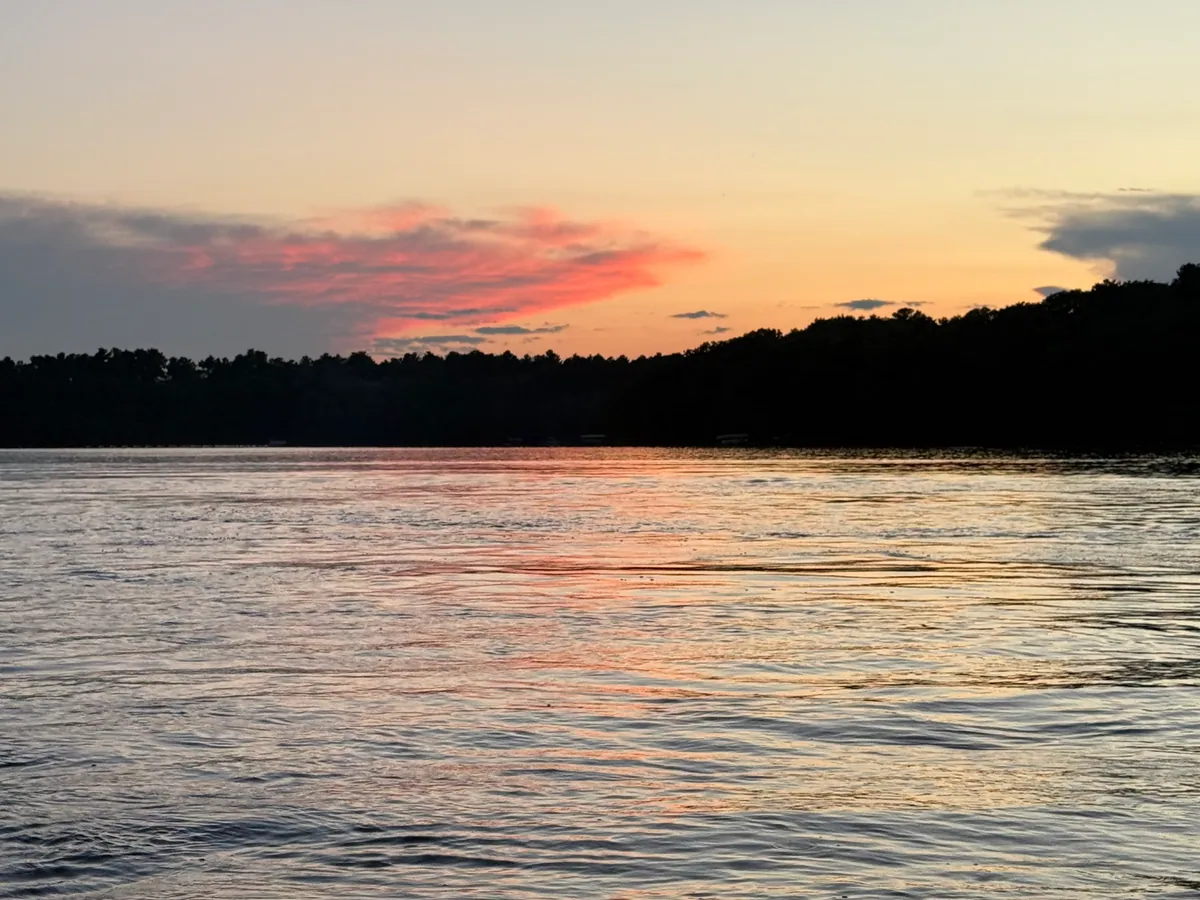
Fish Consumption Guide · Updated 2026-10-04
What MDH guidance says
Powers Lake, Washington County, MN — fish consumption guidance is set by Minnesota Department of Health (MDH). Statewide guidance applies, plus any waterbody-specific advisory from MDH.
Powers Lake is classified as eutrophic, which influences mercury cycling but does not by itself determine fish-tissue mercury levels.
How much to eat: general population
MDH sets these limits for people who are not pregnant, not planning a pregnancy and not breastfeeding, and who are 15 or older. They are applied here to the species recorded at Powers Lake in MPCA survey data.
| Species | Size | How Much to Eat |
|---|---|---|
| Panfish (bluegill, perch, bullhead, crappie) | all sizes | 4 servings per week |
| Mid-mercury species (Largemouth Bass, other bass) | all sizes | 1 serving per week |
| Walleye & Northern Pike | all sizes | 1 serving per week |
| Yellow Perch | all sizes | 1 serving per month |
How much to eat: children under 15, and people pregnant or breastfeeding
MDH publishes a second set of limits for children under 15 and for people who are pregnant, may become pregnant, or are breastfeeding. Some are the same as the ones above and some are lower.
| Species | Size | How Much to Eat |
|---|---|---|
| Panfish (bluegill, perch, bullhead, crappie) | all sizes | 1 serving per week |
| Mid-mercury species (Largemouth Bass, other bass) | all sizes | 1 serving per month |
| Walleye & Northern Pike | under 20″ walleye, under 28″ pike | 1 serving per week |
| 20″ walleye and over, 28″ pike and over | 1 serving per month | |
| Yellow Perch | all sizes | Do not eat |
Check the Official Source
For waterbody-specific advisories (PFAS, PCBs, dioxins, lake-specific mercury) beyond the statewide rules, always consult the official Minnesota DNR LakeFinder / MDH guidance for Powers Lake.
Official MN DNR / MDH Advisory →Why Mercury Builds Up in Some Fish
Mercury enters lakes from atmospheric deposition (coal-fired power plants are the dominant US source), local geology, and historical mining or industrial activity. In water, it converts to methylmercury, which bioaccumulates: small fish absorb it, larger fish eat smaller fish, and apex predators end up with the highest concentrations.
That's why walleye, northern pike, muskellunge, and lake trout carry the strictest advisories — they're top predators that live a long time. Smaller, faster-growing fish like bluegill, crappie, and yellow perch have much lower mercury and can usually be eaten weekly.
In Minnesota, the Northeast (St. Louis, Lake, Cook counties — the Arrowhead) has higher background mercury due to mining legacy and forested wetlands that favor methylmercury production. MN MDH applies 2-inch shorter length cutoffs for walleye and pike in this zone.
For PFAS ("forever chemicals"), the contamination is point-source: industrial discharges, military firefighting foam, paper mill waste. Bay of Green Bay (WI) and select Northeast MN lakes have the most active PFAS advisories. PFAS is not well-correlated with mercury, so a lake with low Hg can still have a PFAS advisory.
Frequently Asked Questions
Is it safe to eat fish from Powers Lake?
Whether fish from Powers Lake are safe to eat is a call for MDH and the county health department; this page reports what their published guidance says. Under MDH statewide guidance, predator fish from Powers Lake are listed at 1 meal per month and panfish at 1 meal per week. Powers Lake, Washington County, MN — fish consumption guidance is set by Minnesota Department of Health (MDH). Statewide guidance applies, plus any waterbody-specific advisory from MDH. For waterbody-specific advisories beyond the statewide rules, check the official MDH query linked on this page.
What is the most restrictive species at Powers Lake?
Walleye and northern pike are the most restricted species at Powers Lake under MDH guidance. Mercury accumulates with size, so length cutoffs apply.
Who is in the "sensitive population" for fish consumption?
Minnesota MDH defines it as children under 15, and people 15 or older who are pregnant, may become pregnant, or are breastfeeding or plan to breastfeed. Wisconsin DHS uses a similar definition and includes people who may become pregnant in the next three to five years. Each agency publishes a separate table of meal limits for this group, and both tables are on this page for the states where we carry them.
Why are walleye and northern pike more restricted than panfish?
Mercury bioaccumulates up the food chain. Walleye, pike, musky, and lake trout are top predators that eat smaller fish, concentrating mercury in their flesh. Bluegill, crappie and sunfish eat insects and zooplankton and carry much less. Yellow perch is the exception among the panfish: Minnesota MDH holds it to one serving per month for everyone, and puts it on the avoid list for children under 15 and for people who are pregnant or breastfeeding.
What about PFAS in fish from Powers Lake?
PFAS (forever chemicals) are an emerging concern in fish, especially near industrial/military sites and in the Bay of Green Bay (WI), Yahara chain (WI), and select Northeast Minnesota lakes. MN MDH issues lake-specific PFAS advisories when sampling shows elevated levels. Check the official query for current PFAS-specific guidance for Powers Lake.
Related
This page applies statewide guidance from Minnesota Department of Health (MDH) to fish species documented at Powers Lake in DNR survey data. It does not replace lake-specific advisories published by health agencies. Always check the official query (linked above) for the most current guidance, especially for PFAS, PCBs, and dioxins which can require waterbody-specific advice. Last updated: 2026-10-04.