1
Back Creek Lake
Randolph County, North Carolina · 6.4 mi from Lake Reese
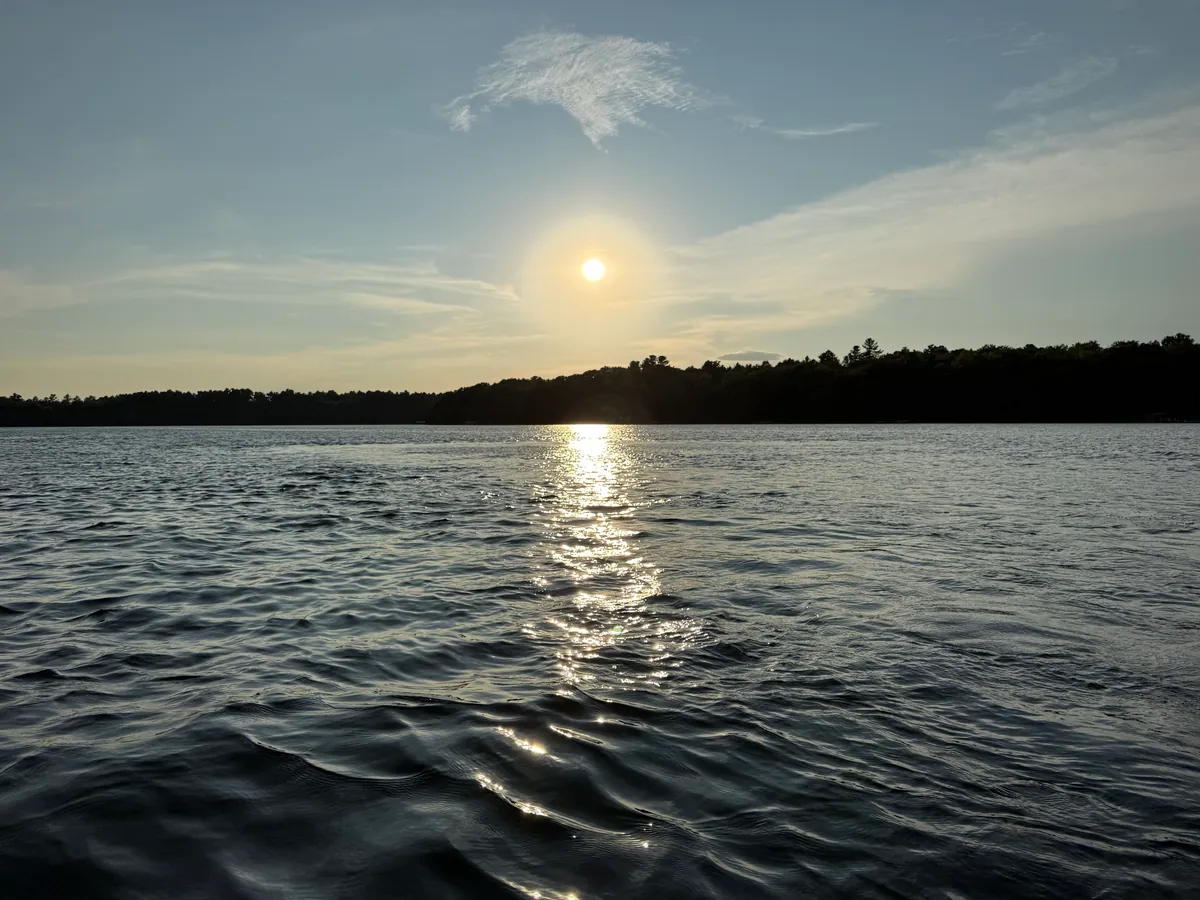
1 lake with lower nutrient and algae readings within 30 miles, ranked by the size of the improvement and by proximity.
Lake Reese carries nutrient and algae readings on record. Within 30 miles, 1 lake reads lower. Back Creek Lake (Randolph County, 6.4 mi away) is the closest meaningful upgrade.
Stays via Stay22
Compare cabins, hotels, and vacation rentals around Lake Reese in North Carolina. The lake above sits within 30 miles, so one base reaches it. Switch the map to Satellite to see how close each stay is to the water.
Top-rated places to stay near Lake Reese
Prices for Oct 16–18, 4 adults. Change dates on the map below.
Availability and prices from Stay22 partners (Booking.com, Vrbo, Expedia). We may earn a commission from bookings, at no extra cost to you.
Planning a trip to Lake Reese?
Get lake water-quality updates plus the best cabin & lodging deals near Lake Reese — straight to your inbox. No spam, unsubscribe anytime.
Just one nearby water body scores higher than Lake Reese on the EPA metrics within a 30-mile radius. The single cleaner option (below) is the practical alternative; beyond that, the next-cleanest lakes sit farther out and warrant a longer drive only if the water-quality difference is the deciding factor.
Back Creek Lake (Randolph County) is the closest cleaner option at 6.4 miles from Lake Reese: close enough to be a genuine substitute for most users, far enough that it isn't the same neighborhood lake. Worth the trip if water quality is the primary driver; less obvious if Lake Reese is on the way to other plans.
Each lake's nutrient and algae readings — total phosphorus, total nitrogen, chlorophyll-a, and turbidity — are shown beside the EPA National Lakes Assessment 2022 condition class for that lake's own ecoregion, so a reading is compared against the lakes it would naturally resemble. LakeQuality publishes no letter grade. Lower readings mean measurably less nutrient and algae in the water, not better scenery or access: the lake with the clearest, lowest-nutrient water can have worse boat-launch facilities or shoreline access than a neighbor, so the comparison is one input alongside the rest of trip planning. How the readings are classified is on our methodology page.
Sampled lakes on LakeQuality carry readings from EPA Water Quality Portal samples — nutrients and algae measured against EPA National Lakes Assessment ecoregion classes. Secchi is shown, not scored. To suggest cleaner alternatives, we filter lakes within 30 miles to those with strictly lower nutrient and algae readings, then rank by the size of the improvement with a small proximity tiebreak. Cross-state and limited-data lakes are excluded so the list stays locally relevant.