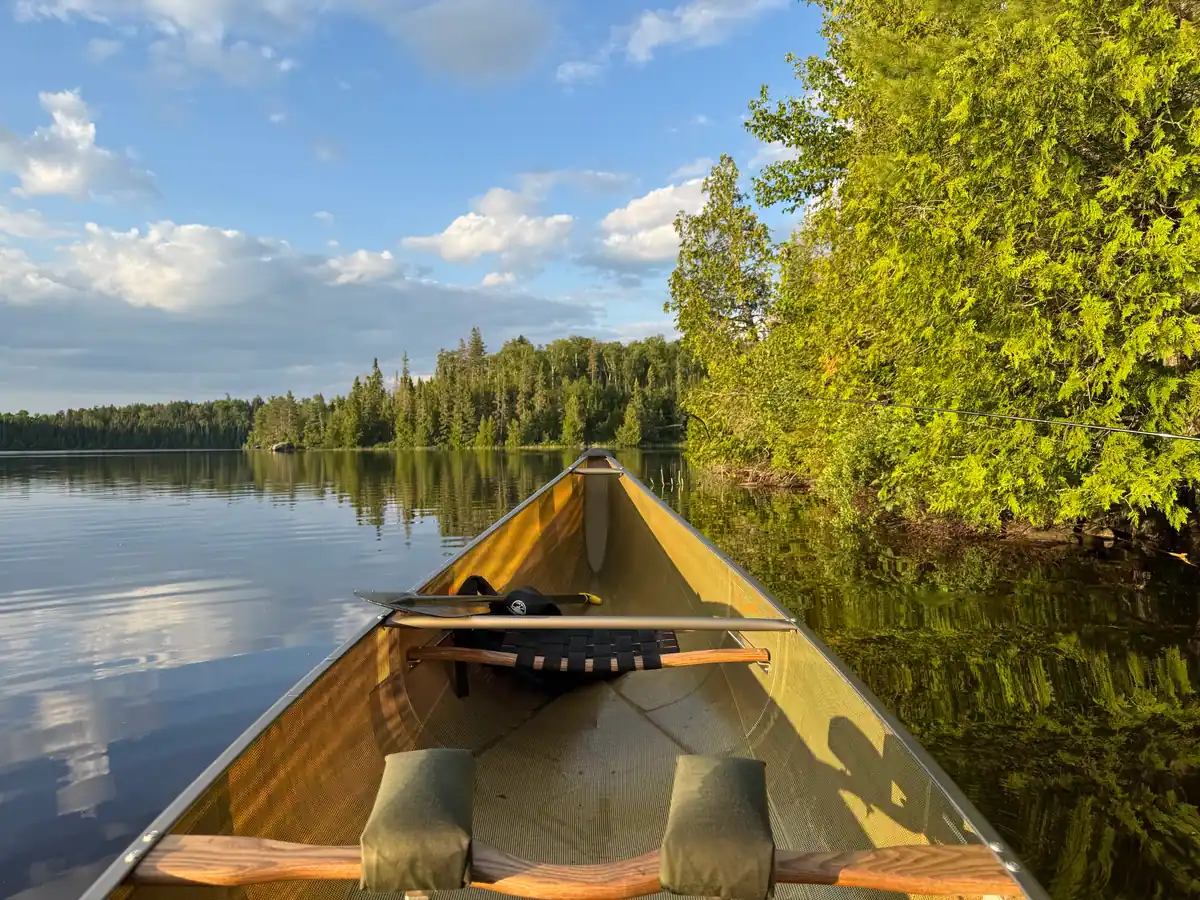
Minnesota DNR fisheries surveys · latest July 5, 1989
Stocking at Scott Lake
No stocking record for Scott Lake appears in the Minnesota DNR material on file. That is an absence in the published record, not a confirmation that the lake is unstocked — some waters are managed as naturally reproducing and never appear in a stocking list at all.
Survey results in full
Minnesota DNR's Standard Survey on July 5, 1989 caught 18.67 northern pike per gill net at Scott Lake.
A DNR fisheries survey reports fish abundance and catch rates, not water quality. LakeQuality shows Scott Lake’s water-quality measurements separately, and the water-quality trend over 2 years of monitoring is declining. Catch rate is not a swim clearance and is not a weekly bite report.
DNR Fisheries Survey Summary
1 survey on file from MN DNR Fisheries. Most recent: 1989-07-05 (Standard Survey).
1 survey on file · most recent 1989-07-05 (Standard Survey)
37 years old| Species | Catch rate (CPUE) | Size | Avg weight |
|---|---|---|---|
| Bluegill | 28.54 | 0.15 lb | |
| Yellow Bullhead | 20.71 | 0.2 lb | |
| Northern Pike | 9.59 | 1.12 lb | |
| Pumpkinseed | 6.25 | 0.11 lb | |
| Black Crappie | 1.04 | 0.21 lb | |
| Hybrid Sunfish | 0.75 | 0.27 lb |
CPUE = catch per unit effort, fish caught per net per set in a standardised survey. It measures abundance, not size, and is not a weekly bite report.
From the 1989-07-05 survey
Northern pike and yellow bullhead area present in very high numbers though they are small in size. Pumpkinseed and bluegill are present in high numbers and are average in size. Largemouth bass and black crappie appear in average size and numbers. Black bullhead are low in number and small in size. Bowfin are low in…
DNR Reports & Resources
Minnesota DNR LakeFinder publishes lake survey, fish stocking, water access, and aquatic plant data for Scott Lake. 2 reports on file.
These links open on the official state DNR websites (Wisconsin DNR survey PDFs · Minnesota DNR LakeFinder).
- —Fisheries Lake Survey — ScottFisheries Lake Survey · MN DNR LakeFinder
- —Aquatic Plant Report — Scott (0388)Aquatic Plant Report · MN DNR LakeFinder
Common questions
What fish are in Scott Lake?
Minnesota DNR's Standard Survey on July 5, 1989 caught 18.67 northern pike per gill net at Scott Lake. Those are survey results, not a catch report: a net set on one date measures what was in that net.
When was Scott Lake last surveyed?
The most recent fisheries survey on file for Scott Lake is dated July 5, 1989. Survey intervals vary by lake and by species; a gap of several years between surveys is normal and does not mean the record is missing.
Is Scott Lake stocked?
No stocking record for Scott Lake appears in the Minnesota DNR material on file. That is not the same as a confirmed unstocked lake: it means no stocking document was published for it in the records this page draws on.
Do the water-quality readings tell me how Scott Lake fishes?
A DNR fisheries survey reports fish abundance and catch rates, not water quality. LakeQuality shows Scott Lake’s water-quality measurements separately, and the water-quality trend over 2 years of monitoring is declining. Catch rate is not a swim clearance and is not a weekly bite report.
Before you eat what you catch
Water-quality readings are not a consumption advisory. Mercury and PCB advice for Minnesota waters comes from MDH, and it is issued per species and per size class: a lake with clear, low-nutrient water can still carry a meal limit on larger predator fish.
Where to stay near Scott Lake
Top-rated places to stay near Scott Lake
Prices for Oct 16–18, 4 adults. Change dates on the map below.
Planning a trip to Scott Lake?
Get lake water-quality updates plus the best cabin & lodging deals near Scott Lake — straight to your inbox. No spam, unsubscribe anytime.