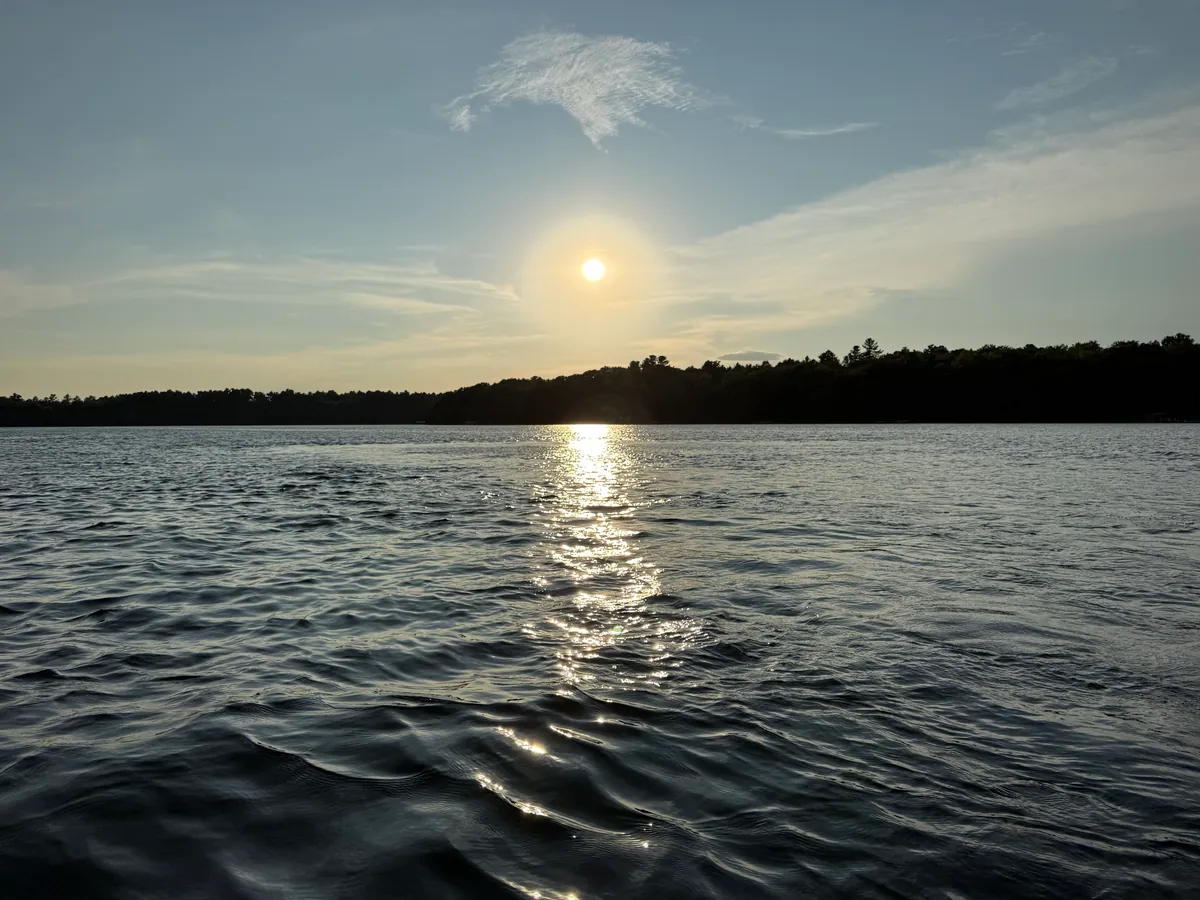
Offshore wind
Wind blowing from the land toward the water, which tends to groom and clean the wave face, considered favorable.
Recreation
Offshore wind is a term from limnology — the scientific study of inland waters. The detailed explanation below covers the definition, why the concept matters to lake water-quality interpretation, and how it relates to the readings shown on every lake page. Reading Offshore wind alongside a lake's readings makes those numbers easier to follow: each measured parameter maps onto an established limnological concept.
The per-lake pages on LakeQuality always show the specific Offshore wind value for that lake, so you can move from the general concept to the specific lake without leaving the site.
What It Means for Your Lake
Offshore wind blows from the land out across the water. It holds up and smooths the wave face, helping keep the wake clean and crisp, and is generally considered ideal conditions. On a lake, an offshore breeze relative to the boat's direction can groom the surf wave and keep the pocket well-defined. Wind direction is one of the uncontrollable variables in setting up a good session; choosing a run direction that puts the wind in your favor can noticeably improve the wave.
Frequently Asked Questions
What is offshore wind?
Wind blowing from the land toward the water, which tends to groom and clean the wave face, considered favorable.
Why does offshore wind matter for lake health?
Offshore wind blows from the land out across the water. It holds up and smooths the wave face, helping keep the wake clean and crisp, and is generally considered ideal conditions. On a lake, an offshore breeze relative to the boat's direction can groom the surf wave and keep the pocket well-defined....
Related Terms
Wind blowing from the water toward the land, which roughens the surface and degrades the wave, considered unfavorable.
A wake with a smooth, well-defined curling face and minimal turbulence, the ideal surfable shape produced by proper boat setup.
Small, disorganized surface waves from wind or boat traffic that degrade the smooth wave face and make riding harder.
The unbroken sloping front of the wave between the lip and the trough, where riders generate speed and perform maneuvers.
Source: EPA National Aquatic Resource Surveys, 2026.