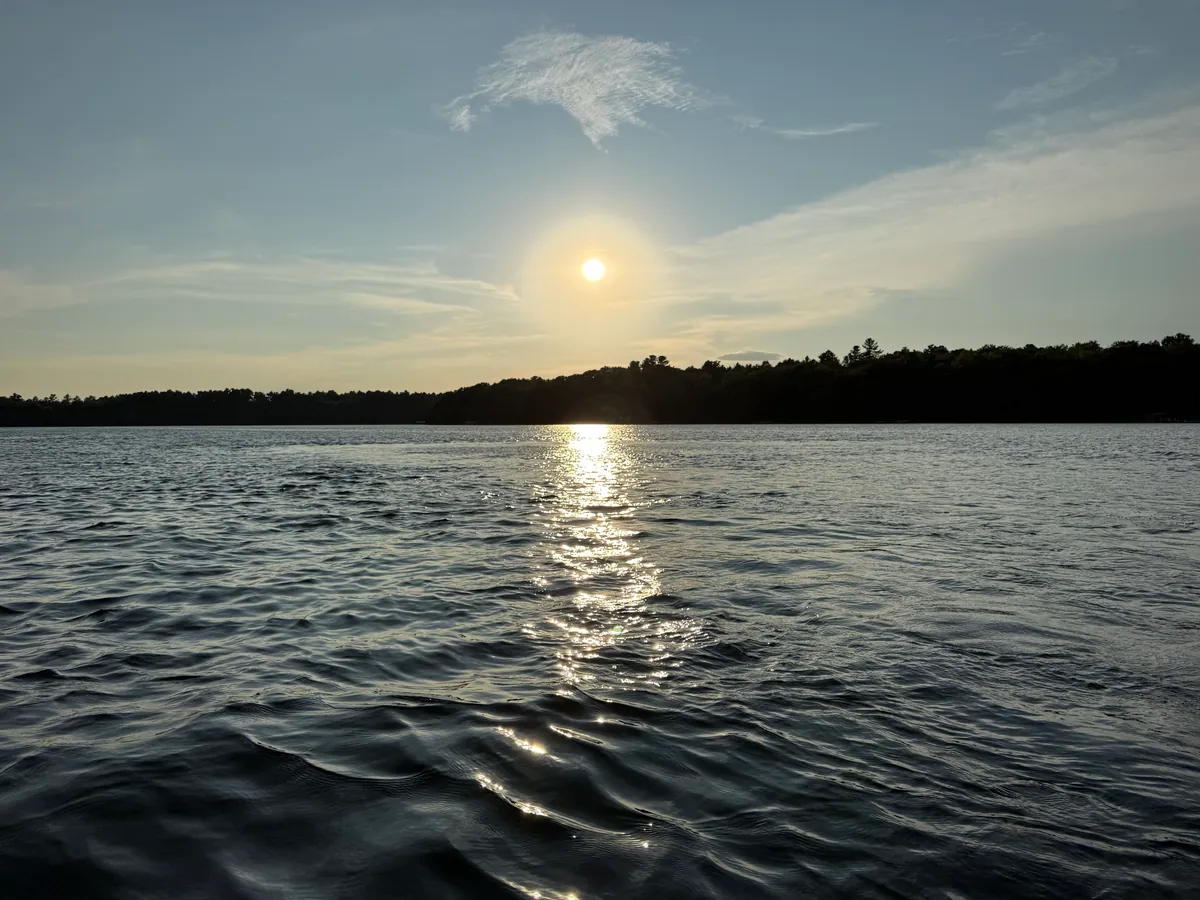
Lincoln County Lake Quality
West Virginia, 1 lake, measured by WVDEP
Lincoln County has 1 monitored lake — a thin enough sample that one or two stressed lakes can move the county average noticeably. Use the per-lake pages below for what actually matters. The 1 monitored lake in Lincoln County carries whatever clarity, phosphorus, and chlorophyll-a readings WVDEP has published, shown as reported.
Most of the county's monitored lakes are shallow, under 50 feet, which means wind keeps the water column mixed all summer and sediment-bound phosphorus releases back into the surface layer whenever the bottom is disturbed.
Where to stay near Lincoln County
Top-rated places to stay near Lincoln County
Prices for Oct 9–11, 4 adults. Change dates on the map below.
Availability and prices from Stay22 partners (Booking.com, Vrbo, Expedia). We may earn a commission from bookings, at no extra cost to you.
Planning a trip to Lincoln County?
Get lake water-quality updates plus the best cabin & lodging deals near Lincoln County — straight to your inbox. No spam, unsubscribe anytime.
Quick Answers for Lincoln County
Planning a trip? Check special fishing regulations for Upper Mud River Reservoir — or check the official West Virginia fishing regulations.
All Lakes in Lincoln County
1 lake · 0 ranked on readings, 1 without enough sampling0 lakes ranked on readings · 1 without enough sampling, hidden
| # | Lake | Clarity | Phosphorus | Algae | Trophic | Access |
|---|---|---|---|---|---|---|
| Upper Mud River ReservoirLincoln | No recent samples | 27 µg/L | 4 µg/L | No recent samples | ✓ Public |
NR = no nutrient or algae reading on record. The measurements are published as the authority reports them. Where the data comes from.
Lake Match
Which lake suits how you actually use one?
Six questions — swimming, fishing, quiet, cabins, drive time — and a shortlist of lakes that fit, with the water quality behind each one.
Other Counties in West Virginia
Browse every West Virginia lake, or the full directory of lakes across all United States (49 states), Canada (Ontario, Québec, Nova Scotia, British Columbia and Newfoundland and Labrador), and 38 other country hubs..
Source: the West Virginia Department of Environmental Protection. See data sources.